
McIntosh
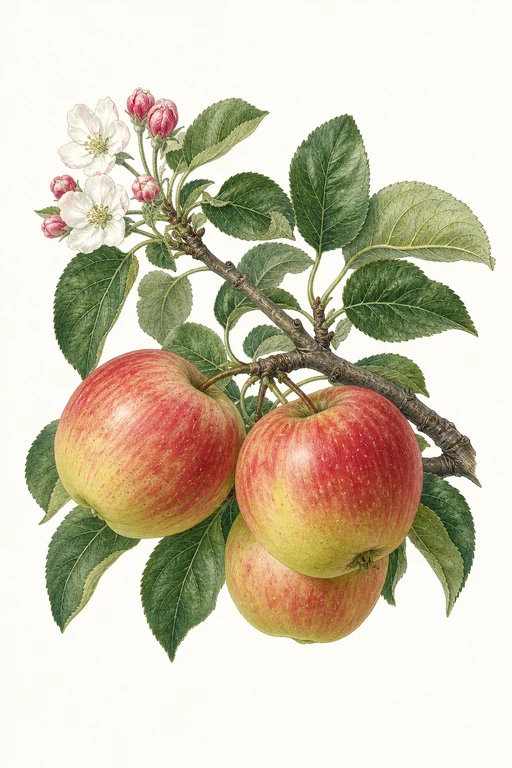
Fragrant and richly aromatic, McIntosh apples arrive with a tender, juicy bite and a pleasantly tart-sweet balance that feels almost perfumed.
The flesh is creamy and fine-textured, with a classic rosy blush around the skin that makes each fruit as inviting as it is delicious. Grow McIntosh for fresh enjoyment and for making luscious sauces and preserves that capture its unmistakable, old-fashioned character.
Light: Full SunMaturity: 365 DaysHabit: Tree
Planting schedules and alerts are optimized for Columbus (Zone 6b).
Crop Dates
| Milestone | Date |
|---|---|
| Last Frost | Apr 25th |
| Growing Approach | Protected Environment Only |
Crop Details
| Trait | Value |
|---|---|
| Days to Maturity | 365 |
| Sun Requirements | Full Sun |
| Growth Habit | Tree |
| Support Needed | None |
| Planting Depth | Normal |
| Germination Temp (°F) | 60 |
| Min Soil Temp (°F) | 50 |
| Min Night Temp (°F) | 35 |
| Harden Off (days) | Not Required |
Culinary Notes

Chef's Note
McIntosh’s creamy, fine grain and aromatic tart-sweet character are tailor-made for spoonable applesauce and preserves—those “old orchard” vibes cling through a gentle simmer. Treat it kindly: it holds its texture best when you’re warming, not baking it into mush.

Best Uses
- eating out of hand (cold or room temp) to show its tender, juicy texture
- quick sauté with butter for a glossy pan sauce over pork or pancakes
- slow-simmered applesauce with cinnamon—keeps its creamy mouthfeel
- jam/preserve where the aroma wants to stay front-and-center

Flavor Profile

Kitchen Pairings
Frequently Asked Questions
What’s the most common disease issue for McIntosh apples (Malus domestica) and how do I manage it?
How often should I water McIntosh apples during the main growing season, and what soil moisture level do they need?
How can I tell when McIntosh apples (Malus domestica) are ready to harvest?
Sowing Tips

Transplant Conditions
Wait until soil reaches 50°F and nights stay above 35°F before moving outdoors.
Expert Note

Plant grafted apple trees in full sun with well-drained soil, and water deeply through the first growing season for best establishment and future yield.