
Mikado
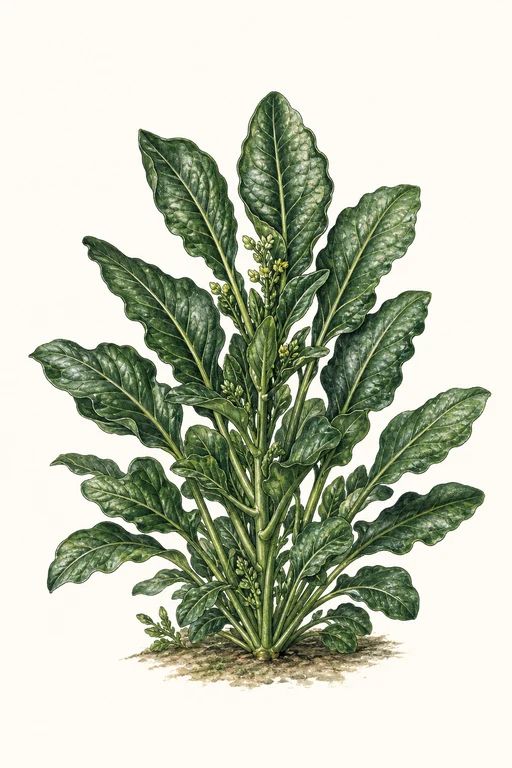
Silky, tender leaves unfurl with a fresh, spinach-sweet flavor and a pleasantly crisp bite—an Asian Spinach that feels almost feather-light in the garden.
Mikado forms an upright, fast-growing rosette in about 35 days, producing abundant, deep green foliage with a smooth, succulent texture that shines in quick stir-fries, savory sautés, and vibrant fresh salads. Grow Mikado for reliable, early harvests and a steady supply of greens that stay tender rather than turning tough.
Light: Part SunMaturity: 35 DaysHabit: Rosette
Planting schedules and alerts are optimized for Columbus (Zone 6b).
Crop Dates
| Milestone | Date |
|---|---|
| Start Indoors | Direct Sow |
| Last Frost | Apr 25th |
| Transplant / Sow Outdoors | Apr 25th |
| Harvest Begins | May 30th |
| Harvest Ends | Oct 16th |
Crop Details
| Trait | Value |
|---|---|
| Days to Maturity | 35 |
| Sun Requirements | Part Sun |
| Growth Habit | Rosette |
| Support Needed | None |
| Planting Depth | Normal |
| Germination Temp (°F) | 40 |
| Min Soil Temp (°F) | 40 |
| Min Night Temp (°F) | 30 |
| Harden Off (days) | 5 |
Culinary Notes

Chef's Note
Mikado’s leaves are tender and barely bitter, so they cook fast and stay feather-silky with a crisp snap—exactly what you want when heat is coming on strong in a wok. Treat it like a quick-cooking green: short passes in fat + salt, then finish with brightness (citrus or ginger) so it tastes alive, not boiled.

Best Uses
- quick wok-style stir-fries where the leaves stay silky instead of mushy
- savory sautéing with a glossy sheen for finishing pasta or rice
- tossing into fresh salads where it keeps a crisp, clean mouthfeel
- blanch-and-drain as a fast side that holds tenderness

Flavor Profile

Kitchen Pairings
Frequently Asked Questions
What pest or disease commonly affects Spinacia oleracea (Mikado spinach), and what should I do?
How often should I water Mikado spinach during its main growing phase?
How can I tell when Mikado spinach is ready to harvest?
Sowing Tips

Transplant Conditions
Wait until soil reaches 40°F and nights stay above 30°F before moving outdoors. Harden off for 5 days first.
Expert Note

For Asian spinach types like ‘Mikado,’ keep soil consistently moist and harvest frequently to encourage tender new leaf growth in cool weather.