
Mini Indian
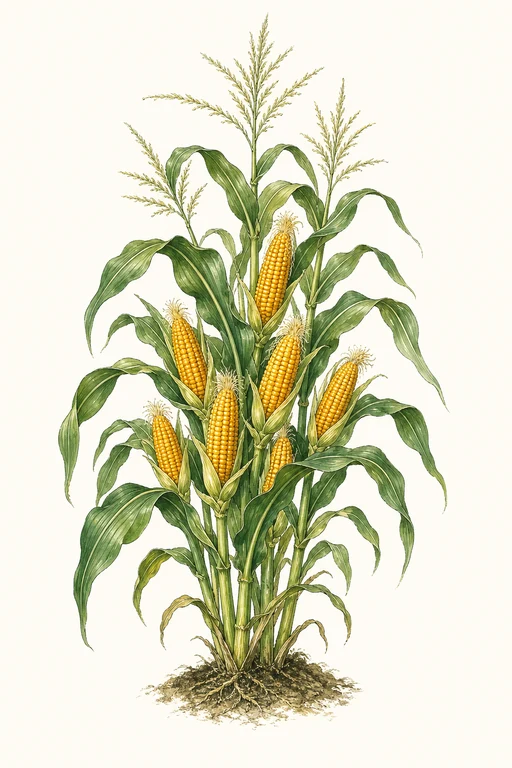
Sun-warmed kernels glow in compact, jewel-like cobs—Mini Indian brings a vivid, candy-sweet presence to the garden with a tender bite and a creamy, honeyed flavor.
At maturity, the ears form neatly on sturdy stalks, offering an especially small size that’s perfect for roasting and for serving fresh, as well as for brightening relishes, salsas, and silky sauces. Grow it for its ornamental charm and its unmistakably sweet, garden-to-plate appeal.
Light: Full SunMaturity: 70 DaysHabit: Upright
Planting schedules and alerts are optimized for Columbus (Zone 6b).
Crop Dates
| Milestone | Date |
|---|---|
| Start Indoors | Direct Sow |
| Last Frost | Apr 25th |
| Transplant / Sow Outdoors | Apr 25th |
| Harvest Begins | Jul 4th |
| Harvest Ends | Oct 16th |
Crop Details
| Trait | Value |
|---|---|
| Days to Maturity | 70 |
| Sun Requirements | Full Sun |
| Growth Habit | Upright |
| Support Needed | None |
| Planting Depth | Normal |
| Germination Temp (°F) | 60 |
| Min Soil Temp (°F) | 55 |
| Min Night Temp (°F) | 28 |
| Harden Off (days) | Not Required |
Culinary Notes

Chef's Note
These small, jewel-cob ears hit with a true honey-sweet kernel and a tender snap—less starchy chew than big field corn. Because they go creamy fast, roast or sear briefly and finish with acid (lime) and fat (butter/cheese) so the sweetness lands as bright, not flat.

Best Uses
- hot, buttered grill-roast—serve straight off the cob
- quick skillet sear for caramelized edges
- toss into fresh relishes and salsas for pops of sweetness
- blend into a silky, lightly sweet sauce base for seafood or chicken

Flavor Profile

Frequently Asked Questions
What pest or disease commonly affects sweet corn (Zea mays var. saccharata), and what’s the best home-garden fix?
How often should I water mini sweet corn plants during the main growing phase?
How can I tell when Zea mays var. saccharata is ready to harvest?
Sowing Tips

Transplant Conditions
Wait until soil reaches 55°F and nights stay above 28°F before moving outdoors.
Expert Note

For the best ear set (even for tiny ornamental ears), plant in a tight block so tassels and silks share good pollen flow, and keep the soil consistently moist once it starts tasseling.