
Miriah
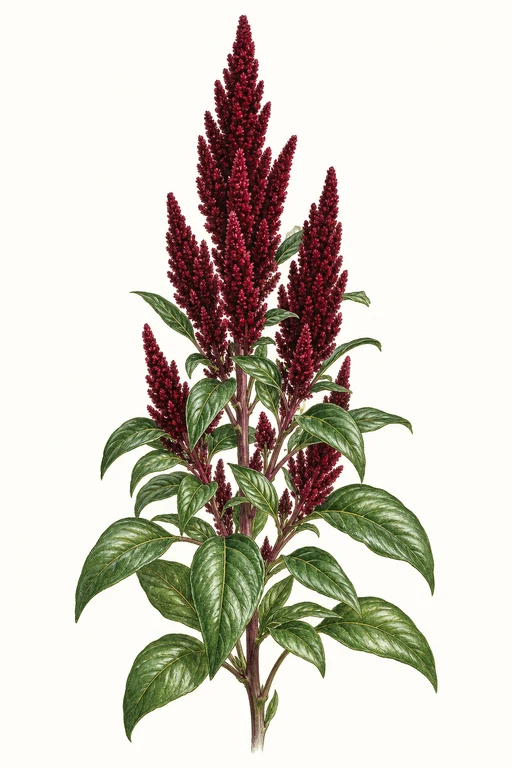
Miriah amaranth arrives in a blaze of velvety, wine-red plumes that seem to glow even in late-day light.
The foliage is tender and richly flavored, with a pleasantly peppery warmth that brings depth to greens—especially when used fresh for salads or gently sautéed, and also beautifully suited to vibrant sauces and quick pickles. At about 35 days to maturity, it’s a fast, rewarding warm-season crop that keeps producing with a lush, upright presence in the garden.
Light: Full SunMaturity: 35 DaysHabit: Upright
Planting schedules and alerts are optimized for Columbus (Zone 6b).
Crop Dates
| Milestone | Date |
|---|---|
| Start Indoors | Direct Sow |
| Last Frost | Apr 25th |
| Transplant / Sow Outdoors | Apr 25th |
| Harvest Begins | May 30th |
| Harvest Ends | Oct 16th |
Crop Details
| Trait | Value |
|---|---|
| Days to Maturity | 35 |
| Sun Requirements | Full Sun |
| Growth Habit | Upright |
| Support Needed | None |
| Planting Depth | Normal |
| Germination Temp (°F) | 75 |
| Min Soil Temp (°F) | 65 |
| Min Night Temp (°F) | 50 |
| Harden Off (days) | Not Required |
Culinary Notes

Chef's Note
Miriah’s tender, pepper-leaning amaranth makes a great stand-in for peppery greens that won’t turn bitter—especially when you wilt it fast so it keeps that silky bite. The wine-red tone loves acid: think lime or quick-pickle brine to wake up the warmth without muting the velvety texture.

Best Uses
- fresh salads where it can act like a peppery leaf—thinly chopped so it doesn’t steam up
- quick sauté or wilt in hot fat just until glossy, not mushy
- bright quick pickles (leaf or young shoots) for tangy crunch
- swirl into herb-forward sauces for color and a slow-building peppery finish

Flavor Profile

Kitchen Pairings
Frequently Asked Questions
What pest or disease most commonly affects Amaranthus cruentus, and how do I control it?
How often should I water Amaranthus cruentus during its main growth period?
How can I tell when Amaranthus cruentus is ready to harvest?
Sowing Tips

Transplant Conditions
Wait until soil reaches 65°F and nights stay above 50°F before moving outdoors.
Expert Note

For Miriah (Asian amaranth), sow directly after soil warms and keep it consistently moist for fast, leafy growth.