
SproutSmart
SproutSmart™ Intelligent Garden Sowing

Mokum

Family: Apiaceae Root Vegetable

Planting Schedule

Provide your location or planting zone to unlock dates and add Mokum to a garden.

Sweetly aromatic and sun-warm in the hand, Mokum carrots develop a smooth, tender crunch with a classic Nantes profile—uniform, gently tapered roots that roast to caramel-kissed depth or shine fresh with their clean, garden-sweet flavor.

The flesh stays pleasantly crisp and fine-grained, making it especially delightful for vibrant salads and bright, silky sauces. A cool-season favorite for home growers, Mokum’s steady performance rewards careful sowing with an elegant harvest at about 70 days.

Light: Full SunMaturity: 70 DaysHabit: Taproot
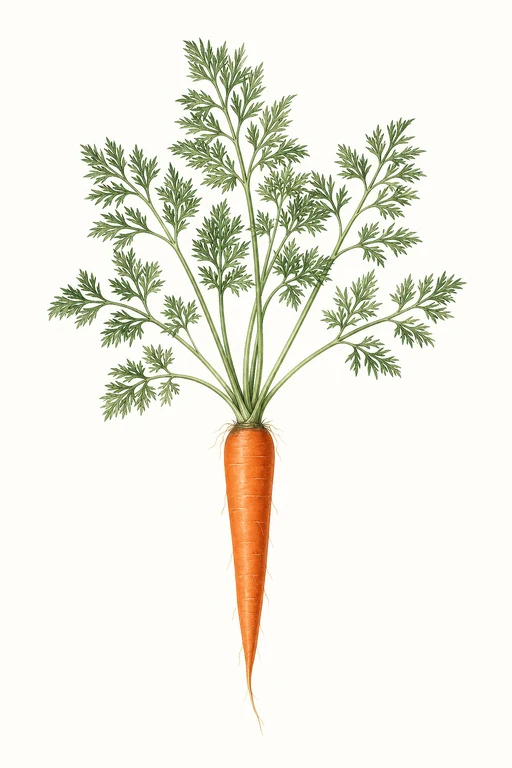
Botanical illustration of Mokum

Location not set yet

Location not set yet

Enter your ZIP for local crop dates

Mokum Planting Dates by USDA Zone

Estimated US hardiness-zone windows for sow, transplant, and harvest. Enter a US ZIP above for exact local dates, or open a zone below.

Zone Start Indoors Sow / Transplant Harvest
Zone 1a Direct Sow Jun 15th Aug 24th – Jul 15th
Zone 1b Direct Sow Jun 1st Aug 10th – Aug 1st
Zone 2a Direct Sow May 25th Aug 3rd – Aug 29th
Zone 2b Direct Sow May 15th Jul 24th – Aug 25th
Zone 3a Direct Sow May 15th Jul 24th – Sep 1st
Zone 3b Direct Sow May 19th Jul 28th – Sep 21st
Zone 4a Direct Sow May 15th Jul 24th – Sep 24th
Zone 4b Direct Sow May 13th Jul 22nd – Sep 27th
Zone 5a Direct Sow May 8th Jul 17th – Sep 30th
Zone 5b Direct Sow May 4th Jul 13th – Oct 5th
Zone 6a Direct Sow May 1st Jul 10th – Oct 10th
Zone 6b Direct Sow Apr 25th Jul 4th – Oct 16th
Zone 7a Direct Sow Apr 20th Jun 29th – Oct 20th
Zone 7b Direct Sow Apr 10th Jun 19th – Oct 28th
Zone 8a Direct Sow Apr 1st Jun 10th – Nov 5th
Zone 8b Direct Sow Mar 23rd Jun 1st – Nov 12th
Zone 9a Direct Sow Mar 6th May 15th – Nov 26th
Zone 9b Direct Sow Feb 9th Apr 20th – Dec 9th
Zone 10a — Oct 1st Dec 10th – Feb 28th
Zone 10b — Oct 1st Dec 10th – Feb 28th
Zone 11a — Oct 1st Dec 10th – Feb 28th
Zone 11b — Oct 1st Dec 10th – Feb 28th
Zone 12a — Oct 1st Dec 10th – Feb 28th
Zone 12b — Oct 1st Dec 10th – Feb 28th
Zone 13a — Oct 1st Dec 10th – Feb 28th
Zone 13b — Oct 1st Dec 10th – Feb 28th

Crop Details

TraitValue
Days to Maturity70
Sun RequirementsFull SunFull sun
Growth HabitTaproot
Support NeededNone
Planting DepthNormal
Germination Temp (°F)60
Min Soil Temp (°F)50
Min Night Temp (°F)28
Harden Off (days)Not Required

Culinary Notes


Chef's Note

Mokum is a classic Nantes in the best way: smooth roots with a fine-grained, reliably crisp texture that won’t turn mealy. Use it raw to keep the snap under dressing, or roast just until bronzed—its sweetness blooms and clings to the fat and acids you pair it with.

Best Uses

  • thin ribbons or coins in a vinaigrette salad where they stay snappy
  • sheet-pan roasting until edges bronze for a glossy, caramel finish
  • blended carrot purée or silky sauce (for soups, braises) without grittiness
  • quick pickling or quick-glaze in honey-butter for bright sweetness

Flavor Profile

clean, garden-sweet carrot flavor fine-grained crunch with a tender bite sun-warm sweetness that roasts into caramel-kissed depth gentle, aromatic carrot-top greeniness

Kitchen Pairings

ginger honey butter goat cheese cumin orange

Frequently Asked Questions


What pest or disease commonly affects Daucus carota (carrot), and how can I manage it in my garden?
Carrots are commonly hit by Alternaria leaf blight, which shows up as dark, target-like spots on leaves and can spread during warm, humid weather. Remove and destroy infected foliage early, improve airflow by thinning carrots to the recommended spacing, and avoid overhead watering so leaves dry quickly. If the problem keeps recurring, rotate out of the Apiaceae family (carrot, celery, parsley) in the same bed for at least 2–3 years.
How often should I water carrots during the main growing phase to keep roots from becoming fibrous or splitting?
From sprouting through bulking (roughly weeks 2–8), keep the top 1–2 inches of soil consistently moist, watering lightly but more frequently so seeds and young roots don’t dry out. Once roots are established, water to soak 6–8 inches deep about 1–2 times per week depending on heat, and avoid big swings in moisture that can cause cracking. Mulch lightly to reduce surface drying and keep moisture even.
How do I tell when Daucus carota var. sativus is ready to harvest?
Harvest at about 70 days from sowing when the shoulders of the roots are clearly visible above the soil and have reached the expected size for your variety. If you see a thick “carrot” top and the roots feel firm, you can pull a test row—overgrown carrots often get tougher. For best flavor, harvest before prolonged hot weather and loosen soil with a fork to avoid snapping roots.