
Myrtle Gentry
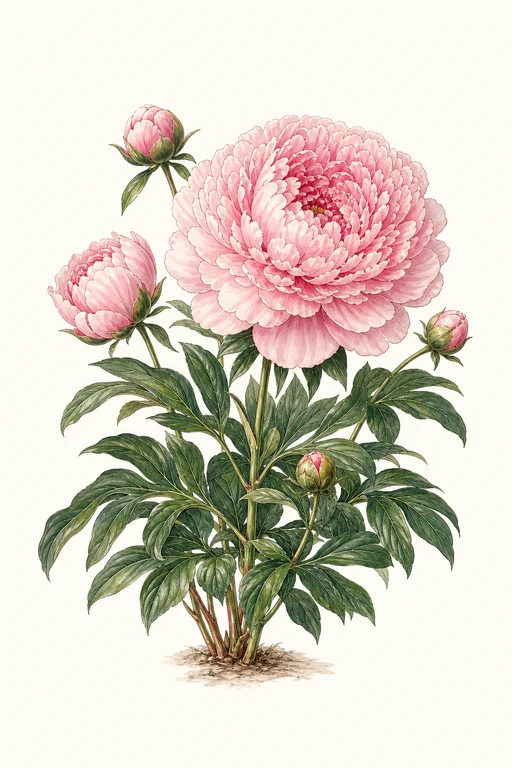
Fragrant, opulent blooms unfurl like soft velvet at the garden’s edge—Myrtle Gentry’s flowers carry a luminous, warm blush that deepens toward the center, with a lush, layered texture that seems to glow in morning light.
As a garden peony, it forms sturdy, upright clumps with abundant foliage that frames each showy head, offering lasting presence from first bud to full bloom. Grow Myrtle Gentry for a signature floral display prized for its perfume and its richly dimensional petals in the border and cutting garden.
Light: Full SunHabit: Clumping
Planting schedules and alerts are optimized for Columbus (Zone 6b).
Crop Dates
| Milestone | Date |
|---|---|
| Start Indoors | Direct Sow |
| Last Frost | Apr 25th |
| Transplant / Sow Outdoors | Apr 25th |
| Harvest Begins | Apr 25th |
| Harvest Ends | Oct 16th |
Crop Details
| Trait | Value |
|---|---|
| Days to Maturity | N/A |
| Sun Requirements | Full Sun |
| Growth Habit | Clumping |
| Support Needed | None |
| Planting Depth | Normal |
| Germination Temp (°F) | 65 |
| Min Soil Temp (°F) | 40 |
| Min Night Temp (°F) | 35 |
| Harden Off (days) | 7 |
Culinary Notes

Chef's Note
Myrtle Gentry is about scent and petal texture—its petals give a gentle, perfumed sweetness and a tender, velvety mouthfeel rather than a bold taste. Keep it airy: let the floral notes ride on honey, citrus, cream, and bubbles instead of competing with heavy spices.

Best Uses
- use petals as a delicate garnish for fresh fruit, yogurt, or whipped cream
- infuse petals into simple syrup or tea for a perfumed drink
- fold chopped petals into quick shortbread dough or custard before baking
- float whole petals on top of chilled drinks or panna cotta

Flavor Profile

Kitchen Pairings
Frequently Asked Questions
What pest or disease is most common on Paeonia lactiflora (myrtle gentry) and how do I manage it?
How often should I water Paeonia lactiflora during the main growing phase?
How can I tell when Paeonia lactiflora (myrtle gentry) is ready to harvest for cut flowers?
Sowing Tips

Transplant Conditions
Wait until soil reaches 40°F and nights stay above 35°F before moving outdoors. Harden off for 7 days first.
Expert Note

For the best success with Paeonia lactiflora, plant/divide in cool weather and avoid burying the crown too deep (it should sit just below the soil surface for reliable flowering).