
Nabechan
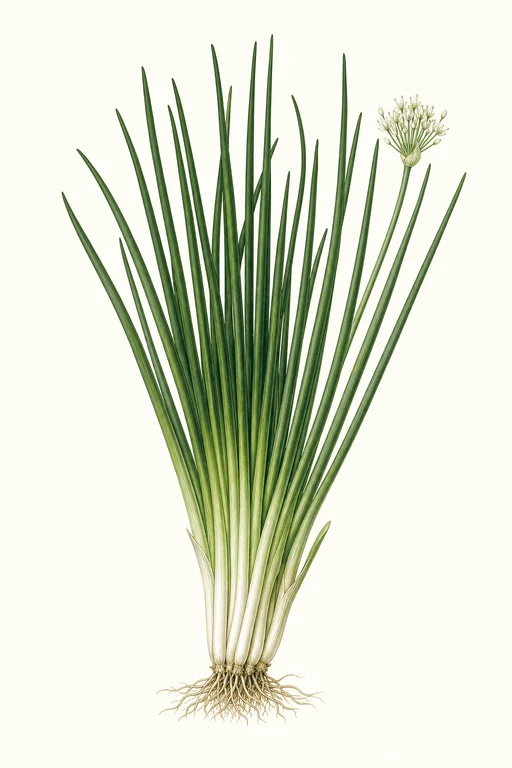
Nabechan scallions arrive with a crisp, sweet-snap and a gentle onion fragrance that feels clean and luminous from the first bite.
At maturity, the slender, hollow stalks form neat bundles with tender, deep-green tops and creamy, white-to-pale-green bases—ideal for fresh use and for quick roasting where their flavor turns softly caramel-sweet. Grow Nabechan for a cool-season harvest that stays pleasantly mild while delivering a satisfying crunch in every gathering.
Light: Full SunMaturity: 70 DaysHabit: Upright
Planting schedules and alerts are optimized for Columbus (Zone 6b).
Crop Dates
| Milestone | Date |
|---|---|
| Start Indoors | Direct Sow |
| Last Frost | Apr 25th |
| Transplant / Sow Outdoors | Apr 25th |
| Harvest Begins | Jul 4th |
| Harvest Ends | Oct 16th |
Crop Details
| Trait | Value |
|---|---|
| Days to Maturity | 70 |
| Sun Requirements | Full Sun |
| Growth Habit | Upright |
| Support Needed | None |
| Planting Depth | Normal |
| Germination Temp (°F) | 60 |
| Min Soil Temp (°F) | 45 |
| Min Night Temp (°F) | 32 |
| Harden Off (days) | Not Required |
Culinary Notes

Chef's Note
Nabechan keeps a mild, clean Allium perfume with real crunch, so it shines anywhere you want onion flavor without the harshness—raw, chopped small, or just barely heated. If you roast them fast, the thin hollow stalks caramelize at the edges instead of turning mushy, making them the kind of garnish you’ll actually fight for.

Best Uses
- raw scallion herb salads where they need to stay snappy under dressing
- quick-roast until edges freckle and go softly caramel-sweet
- lightly cooked garnish for noodles and rice—flavor without aggressive bite
- stir-fry finishing ribbons for fast wok heat

Flavor Profile

Kitchen Pairings
Frequently Asked Questions
What pest or disease commonly affects Welsh onions (Allium fistulosum), and how can I manage it?
How often should I water Allium fistulosum during the main growth period?
How do I know when Welsh onions (Allium fistulosum) are ready to harvest?
Sowing Tips

Transplant Conditions
Wait until soil reaches 45°F and nights stay above 32°F before moving outdoors.
Expert Note

For the longest white shafts, keep plants well-watered and gently hill soil around the base as they grow (or use a deep container).