
Navaho
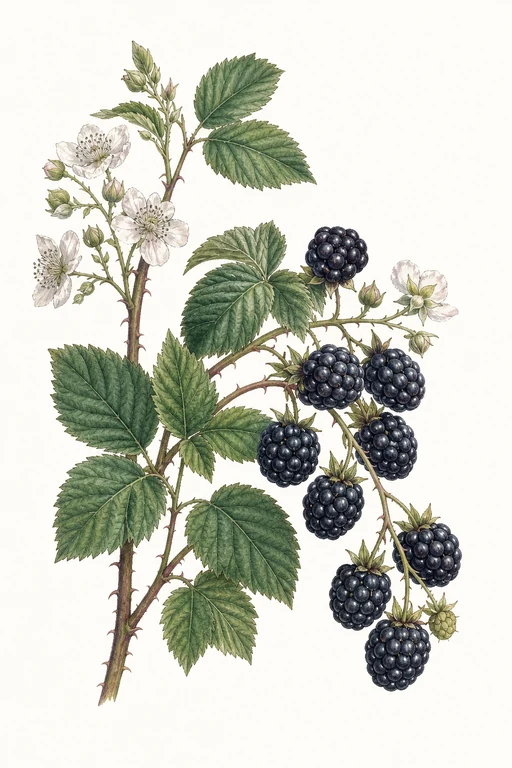
Sink your spoon into Navaho’s blackberry—aromatic, winey-sweet berries with a bright, juicy snap and a velvety bloom that catches the light.
The fruit ripens in succession to deliver a steady harvest of deep black, medium-large berries with a balanced tang that shines in fresh bowls and preserves alike. Train this variety for abundant, thorn-light canes and enjoy its rich flavor in summer desserts, jam, and syrupy sauces.
Light: Full SunMaturity: 730 DaysHabit: Upright
Planting schedules and alerts are optimized for Columbus (Zone 6b).
Crop Dates
| Milestone | Date |
|---|---|
| Last Frost | Apr 25th |
| Growing Approach | Protected Environment Only |
Crop Details
| Trait | Value |
|---|---|
| Days to Maturity | 730 |
| Sun Requirements | Full Sun |
| Growth Habit | Upright |
| Support Needed | None |
| Planting Depth | Normal |
| Germination Temp (°F) | 70 |
| Min Soil Temp (°F) | 50 |
| Min Night Temp (°F) | 35 |
| Harden Off (days) | Not Required |
Culinary Notes

Chef's Note
Navaho blackberries hit with a winey sweetness but keep a bright, juicy snap, so they don’t go flat in the pan. Use them for quick reductions or jam where they turn sauce-sticky and glossy without tasting cooked-down or overly jammy.

Best Uses
- fresh spoon-bowls with minimal sugar (just enough to tame the tang)
- jam or preserve where the fruit stays glossy and thick
- syrupy compote for pancakes, yogurt, or oatmeal
- pocket-friendly sauce reduction for duck or pork

Flavor Profile

Kitchen Pairings
Frequently Asked Questions
What’s the most common pest or disease on Navaho blackberry (Rubus fruticosus) and how do I treat it?
How often should I water Navaho blackberry during the main growing phase?
How can I tell when Navaho blackberry (Rubus fruticosus) is ready to harvest?
Sowing Tips

Transplant Conditions
Wait until soil reaches 50°F and nights stay above 35°F before moving outdoors.
Expert Note

Plant Navaho thornless blackberry in full sun and space plants far enough for air flow; expect the first meaningful harvest in the second season after planting.