
New England Pie
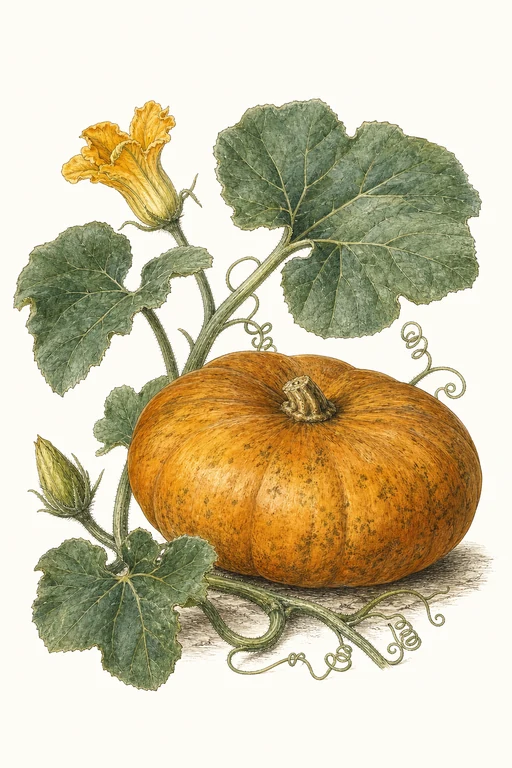
Sink your senses into the rich, golden-orange flesh of New England Pie winter squash, where sweetness blooms with a velvety, spoon-silky texture.
This 90-day variety forms a sturdy, well-filled fruit with a deep, warm rind and a satisfying, dense interior—ideal for creating luscious pie-style preparations, smooth purées, and hearty roasted wedges. Grow it for the kind of harvest that feels like a pantry treasure: fragrant, richly colored, and wonderfully versatile from first scoop to final spoonful.
Light: Full SunMaturity: 90 DaysHabit: Vine
Planting schedules and alerts are optimized for Columbus (Zone 6b).
Crop Dates
| Milestone | Date |
|---|---|
| Start Indoors | Apr 25th |
| Last Frost | Apr 25th |
| Transplant / Sow Outdoors | May 9th |
| Harvest Begins | Aug 7th |
| Harvest Ends | Oct 16th |
Crop Details
| Trait | Value |
|---|---|
| Days to Maturity | 90 |
| Sun Requirements | Full Sun |
| Growth Habit | Vine |
| Support Needed | Trellis |
| Planting Depth | Normal |
| Germination Temp (°F) | 65 |
| Min Soil Temp (°F) | 65 |
| Min Night Temp (°F) | 55 |
| Harden Off (days) | 10 |
Culinary Notes

Chef's Note
New England Pie’s dense, silky flesh turns from sweet raw squash into a spoon-licked creaminess when baked or simmered, holding its shape in purées instead of going watery. Give it warmth—brown butter, sage, and cinnamon—and it tastes like autumn with a proper, hearty finish.

Best Uses
- baked “pie-style” squash purée for custards and spiced pies
- slow-roasted wedges (or cubes) for deep caramel notes and creamy interior
- thick, smooth squash purée for gratins or dumpling fillings
- soups that need body without thinning out

Flavor Profile

Frequently Asked Questions
What pest or disease most often affects Cucurbita maxima (New England Pie), and how can I manage it?
How often should I water Cucurbita maxima during the main growing phase (after vines establish)?
How do I tell when Cucurbita maxima (New England Pie) is ready to harvest?
Sowing Tips

Transplant Conditions
Wait until soil reaches 65°F and nights stay above 55°F before moving outdoors. Harden off for 10 days first.

Direct Sow Preferred
Sensitive roots — does not transplant well. If starting indoors, use biodegradable pots and disturb roots as little as possible when moving outdoors.
Expert Note

Warm the soil and keep transplants well-watered for the first week—cucurbits are sensitive to cool weather and root disturbance.