
New Mexico Heirloom
Warm, nutty grains with a gentle sweetness come alive in the pan with a toasty aroma and a pleasantly chewy bite.
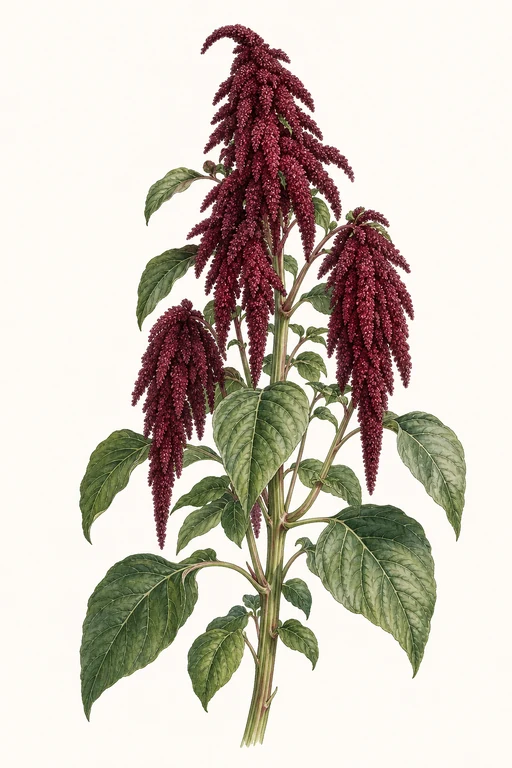
“New Mexico Heirloom” forms sturdy, upright plants that mature in about 90 days, delivering abundant, deep-burgundy seed heads that dry down beautifully for reliable harvest. Grow it for its rich, heritage character—then enjoy the grain’s distinctive flavor in everyday amaranth preparations, from hearty porridges to savory blends and festive mixes.
Light: Full SunMaturity: 90 DaysHabit: Upright
Planting schedules and alerts are optimized for Columbus (Zone 6b).
Crop Dates
| Milestone | Date |
|---|---|
| Start Indoors | Direct Sow |
| Last Frost | Apr 25th |
| Transplant / Sow Outdoors | Apr 25th |
| Harvest Begins | Jul 24th |
| Harvest Ends | Oct 16th |
Crop Details
| Trait | Value |
|---|---|
| Days to Maturity | 90 |
| Sun Requirements | Full Sun |
| Growth Habit | Upright |
| Support Needed | None |
| Planting Depth | Normal |
| Germination Temp (°F) | 70 |
| Min Soil Temp (°F) | 60 |
| Min Night Temp (°F) | 50 |
| Harden Off (days) | Not Required |
Culinary Notes

Chef's Note
This heritage grain has a nutty warmth and a chewy, grain-grip texture that doesn’t go mushy—so it stands up in porridge, pilaf, and grain bowls. Toasting the dry seeds briefly before cooking amplifies that roasted aroma for a more pronounced flavor than milder pantry grains.

Best Uses
- stovetop porridge with milk or stock (cook until glossy and thick)
- toasted dry grains folded into pilaf-style sides
- savory grain bowls where the chew holds up to dressing and hot toppings
- grain blends and festive mixes (use toasted first for a deeper aroma)

Flavor Profile

Kitchen Pairings
Frequently Asked Questions
What pest or disease commonly affects Amaranthus cruentus (New Mexico Heirloom), and how can I control it?
How often should I water Amaranthus cruentus during its main growing phase, and what soil moisture should I aim for?
How do I tell when New Mexico Heirloom (Amaranthus cruentus) is ready to harvest?
Sowing Tips

Transplant Conditions
Wait until soil reaches 60°F and nights stay above 50°F before moving outdoors.
Expert Note

Because this is a grain grown from seed, direct-sow after last frost when soil has warmed and keep the sowing bed lightly moist until emergence.