
Nira
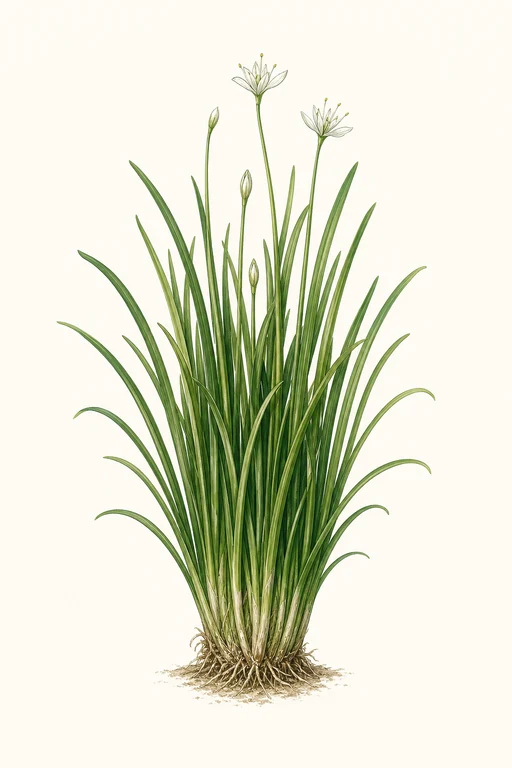
Tender, grass-green blades rise with a crisp, snappy bite and a distinctly garlic-chive perfume that feels both bright and savory.
Nira forms an upright, tidy clump of slender leaves with a fine, smooth texture—ideal for quick stir-ins and fragrant garnishes, and especially beloved for fresh salads and vibrant sauces. For cool-season gardeners, this 40-day performer delivers repeated harvests of flavorful greens that stay pleasantly mild as they grow.
Light: Full SunMaturity: 40 DaysHabit: Upright
Planting schedules and alerts are optimized for Columbus (Zone 6b).
Crop Dates
| Milestone | Date |
|---|---|
| Start Indoors | Mar 28th |
| Last Frost | Apr 25th |
| Transplant / Sow Outdoors | Apr 25th |
| Harvest Begins | Jun 4th |
| Harvest Ends | Oct 16th |
Crop Details
| Trait | Value |
|---|---|
| Days to Maturity | 40 |
| Sun Requirements | Full Sun |
| Growth Habit | Upright |
| Support Needed | None |
| Planting Depth | Normal |
| Germination Temp (°F) | 70 |
| Min Soil Temp (°F) | 40 |
| Min Night Temp (°F) | 28 |
| Harden Off (days) | 7 |
Culinary Notes

Chef's Note
Nira’s upright, slender leaves deliver a clean garlic-chive aroma with a crisp snap—perfect for dishes where you want the green to stay lively, not wilt into mush. Use it late in the pan or as a raw garnish so the flavor reads bright and savory instead of flat.

Best Uses
- quick stir-fry ribbons that stay crisp (add at the last minute)
- fresh slicing into cucumber-style salads and cold noodle dressings
- finishing herb for dumplings, omelets, and fried rice
- blended into a fast, punchy sauce for tofu or seafood

Flavor Profile

Kitchen Pairings
Frequently Asked Questions
What pest or disease commonly affects Allium tuberosum (nira), and how can I control it?
How often should I water Allium tuberosum during the main growing phase?
How do I know when nira (Allium tuberosum) is ready to harvest?
Sowing Tips

Transplant Conditions
Wait until soil reaches 40°F and nights stay above 28°F before moving outdoors. Harden off for 7 days first.
Expert Note

Keep seedlings evenly moist and harvest the first leaf cut lightly at about 4–6 weeks to encourage regrowth.