
Non-Bolting Red
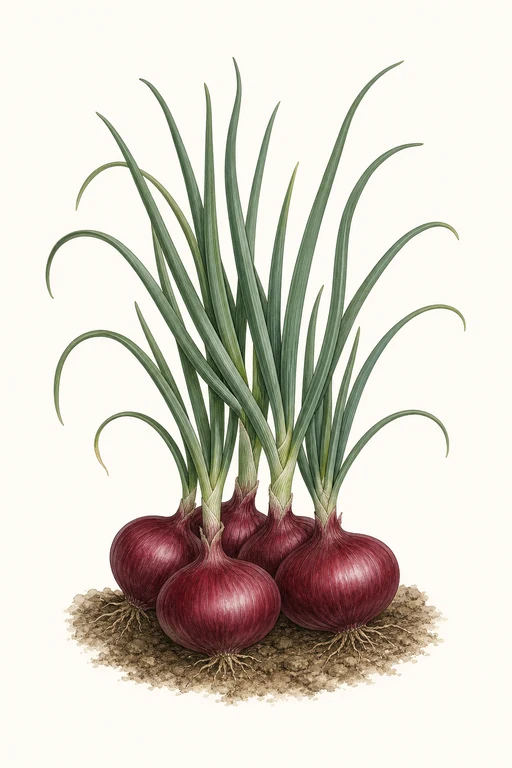
A vivid, ruby-red bulb with a clean, non-bolting habit—Non-Bolting Red stays true through the cool season, building firm layers that feel substantial in the hand.
Expect a balanced, sweet-on-the-surface flavor that deepens beautifully when roasted, while the crisp texture shines in fresh salads and bright relishes. Grow it for reliable harvests around 90 days, when the skins gleam and the necks settle for easy storage-ready bulbs.
Light: Full SunMaturity: 90 DaysHabit: Bulbing
Crop Dates : 1a
| Milestone | Date |
|---|---|
| Last Frost | Jun 15th |
| Growing Approach | Protected Environment Only |
Crop Details
| Trait | Value |
|---|---|
| Days to Maturity | 90 |
| Sun Requirements | Full Sun |
| Growth Habit | Bulbing |
| Support Needed | None |
| Planting Depth | Normal |
| Germination Temp (°F) | 70 |
| Min Soil Temp (°F) | 45 |
| Min Night Temp (°F) | 28 |
| Harden Off (days) | 7 |
Culinary Notes

Chef's Note
Non-bolting Red is a great red onion pick when you want layers that stay sturdy—less flimsy, more toothy—so they don’t collapse in salads or relishes. The balanced sweetness gives you caramel payoff on the roast without turning harsh, which is why it earns a spot both raw and hot.

Best Uses
- thin slicing for salads and slaws where the crunch holds dressing
- roasting whole or in wedges until jammy and deeply browned at the edges
- quick pickling for a crisp, candy-bright red onion bite
- slow-cooking into jammy pan sauces or braises for body and color

Flavor Profile

Kitchen Pairings
Frequently Asked Questions
What pest or disease is most common for Allium cepa (bulbing onions), and what should I do first?
How often should I water Allium cepa during the main growing phase?
How can I tell when Allium cepa is ready to harvest?
Sowing Tips

Transplant Conditions
Wait until soil reaches 45°F and nights stay above 28°F before moving outdoors. Harden off for 7 days first.
Expert Note

For spring success, keep onions weed-free and aim for steady growth after planting—avoid drought stress to reduce the chance of bolting.