
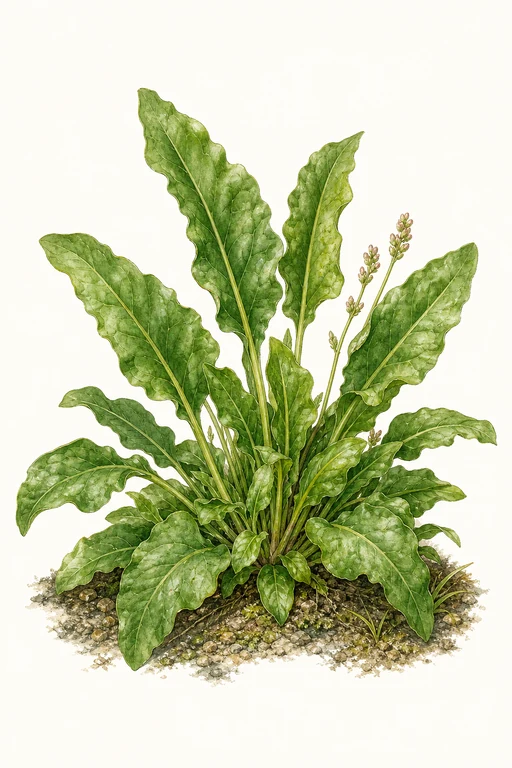
Non-Bolting Sorrel
Tender, lemony-bright sorrel leaves unfurl with a crisp, juicy bite and a clean, tang-forward flavor that stays vivid as the season cools.
This Non-Bolting Sorrel holds its leafy character through the days to maturity—slow to send up flower stalks—so you can harvest repeatedly for a steady supply of velvety, medium-green foliage. Ideal for fresh salads, quick sautés, and stirring into sauces, it brings a refreshing zing that feels especially alive in early spring and fall gardens.
Light: Part SunMaturity: 45 DaysHabit: Rosette
Planting schedules and alerts are optimized for Columbus (Zone 6b).
Crop Dates
| Milestone | Date |
|---|---|
| Start Indoors | Direct Sow |
| Last Frost | Apr 25th |
| Transplant / Sow Outdoors | Apr 25th |
| Harvest Begins | Jun 9th |
| Harvest Ends | Oct 16th |
Crop Details
| Trait | Value |
|---|---|
| Days to Maturity | 45 |
| Sun Requirements | Part Sun |
| Growth Habit | Rosette |
| Support Needed | None |
| Planting Depth | Normal |
| Germination Temp (°F) | 55 |
| Min Soil Temp (°F) | 40 |
| Min Night Temp (°F) | 28 |
| Harden Off (days) | Not Required |
Culinary Notes

Chef's Note
Non-bolting sorrel is the kind of leafy green that tastes like spring loaded with acid—sharper than spinach, but still clean and herbal. It wilts fast and turns silky without going flat, so use it late in cooking and let it stay bright rather than cooked down into something muddy.

Best Uses
- tossed salads where it keeps its snap under light vinaigrettes
- quick sauté/pan-cook to soften just enough while staying vivid
- stirring into crème fraîche or sour-cream sauces for punchy swirl
- folding into omelets and soft scrambles for a sharp, springy lift

Flavor Profile

Kitchen Pairings
Frequently Asked Questions
What pest or disease commonly affects Rumex acetosa (non-bolting sorrel), and how can I manage it?
How often should I water Rumex acetosa during the main growing phase, and what soil moisture target should I aim for?
How can I tell when non-bolting sorrel (Rumex acetosa) is ready to harvest?
Sowing Tips

Transplant Conditions
Wait until soil reaches 40°F and nights stay above 28°F before moving outdoors.
Expert Note

For maximum “non-bolting” leaf time, sow early (cool weather) and keep plants evenly moist with light shade during the hottest weeks.