
Oldenburg
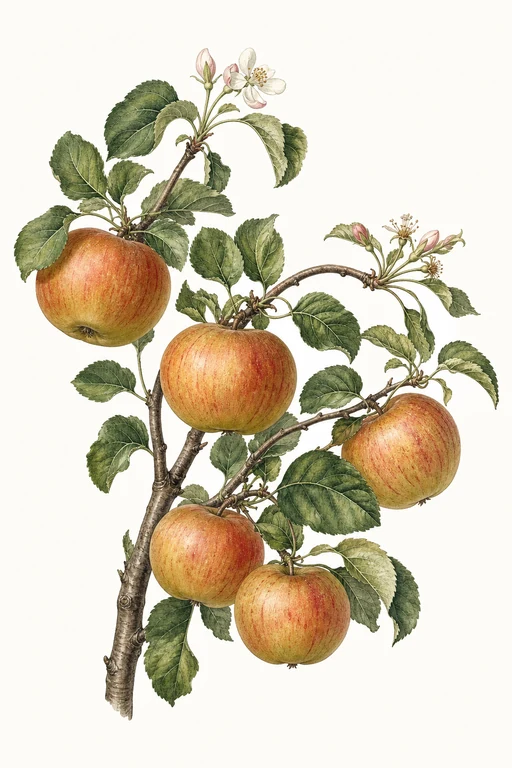
Aromatic and richly fragrant, Oldenburg apples arrive with a honeyed, sweet-tart bite and a crisp, juicy snap that feels luminous in the hand.
The flesh is fine-grained and refreshingly firm, making these apples shine for fresh enjoyment and for turning into fragrant sauces and preserves that capture their bright character. Grow Oldenburg for a long-season harvest—an heirloom-worthy apple with the kind of flavor you’ll look forward to all fall.
Light: Full SunMaturity: 150 DaysHabit: Shrub
Planting schedules and alerts are optimized for Columbus (Zone 6b).
Crop Dates
| Milestone | Date |
|---|---|
| Start Indoors | Direct Sow |
| Last Frost | Apr 25th |
| Transplant / Sow Outdoors | Apr 25th |
| Harvest Begins | Sep 22nd |
| Harvest Ends | Oct 16th |
Crop Details
| Trait | Value |
|---|---|
| Days to Maturity | 150 |
| Sun Requirements | Full Sun |
| Growth Habit | Shrub |
| Support Needed | None |
| Planting Depth | Normal |
| Germination Temp (°F) | 60 |
| Min Soil Temp (°F) | 45 |
| Min Night Temp (°F) | 28 |
| Harden Off (days) | Not Required |
Culinary Notes

Chef's Note
Oldenburg’s honeyed aroma and firm, fine-grained bite make it a standout for slicing—no mush, just juicy crunch that stays coherent. When cooked, its sweet-tart energy turns into a fragrant, bright sauce base that tastes like the orchard, not like sugar water.

Best Uses
- thin slices with sharp cheddar and crusty bread
- quick sauté or roast for apple butter–adjacent spreads that stay chunky
- canning or low-sugar preserves where the fragrance needs to stay intact
- fresh eating and cider-ready juicing for a clean, fragrant finish

Flavor Profile

Kitchen Pairings
Frequently Asked Questions
What is a common disease problem for Malus domestica (apple) and how can I manage it in a home orchard?
How often should I water my Malus domestica during the main growing season?
How do I tell when an Oldenburg apple (Malus domestica) is ready to harvest?
Sowing Tips

Transplant Conditions
Wait until soil reaches 45°F and nights stay above 28°F before moving outdoors.
Expert Note

Plant on well-drained soil in full sun, and choose a pollination partner nearby since most apples are cross-pollinated.