
Opal
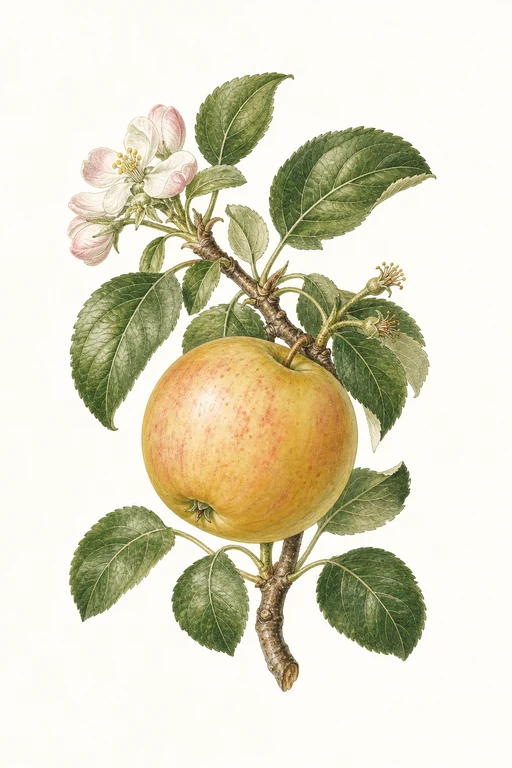
Crisp as morning air, Opal apples bloom with a luminous, blushing-gold glow and a fine, juicy snap that lingers on the palate.
The flesh is tender-crisp and refreshingly bright, with a balanced sweetness that shines whether you’re enjoying them straight from the tree or turning them into silky sauces and fragrant preserves. A standout for home orchards, Opal’s classic apple character makes it a reliable favorite for year-round pantry favorites and thoughtful giftable harvests.
Light: Full SunMaturity: 365 DaysHabit: Shrub
Planting schedules and alerts are optimized for Columbus (Zone 6b).
Crop Dates
| Milestone | Date |
|---|---|
| Last Frost | Apr 25th |
| Growing Approach | Protected Environment Only |
Crop Details
| Trait | Value |
|---|---|
| Days to Maturity | 365 |
| Sun Requirements | Full Sun |
| Growth Habit | Shrub |
| Support Needed | None |
| Planting Depth | Normal |
| Germination Temp (°F) | 70 |
| Min Soil Temp (°F) | 45 |
| Min Night Temp (°F) | 28 |
| Harden Off (days) | Not Required |
Culinary Notes

Chef's Note
Opal’s tender-crisp bite and bright, balanced acidity make it the kind of apple that still tastes like itself after a short cook—no mushy, cooked-flour flavor getting in the way. It’s built for clean, refreshing slices and for preserves where the fruit aroma stays vivid rather than going dull.

Best Uses
- eating out of hand and into crisp-tossed slaws without softening
- thin-sliced salads with tart vinaigrettes where it stays snappy
- cooking into smooth, lightly sweet applesauce (quick heat to keep the texture lively)
- turning into aromatic preserves where the fruit flavor reads as fresh, not stewed

Flavor Profile

Kitchen Pairings
Frequently Asked Questions
What pest or disease most commonly affects Malus domestica (apple) and what should I do?
How often should I water my Malus domestica during the main growing phase?
How can I tell when Opal (Malus domestica) is ready to harvest?
Sowing Tips

Transplant Conditions
Wait until soil reaches 45°F and nights stay above 28°F before moving outdoors.
Expert Note

For best fruiting, grow in full sun and plant your apple at least 20–25 ft from other trees while ensuring a compatible pollinator variety is nearby.