
Orange Hokkaido
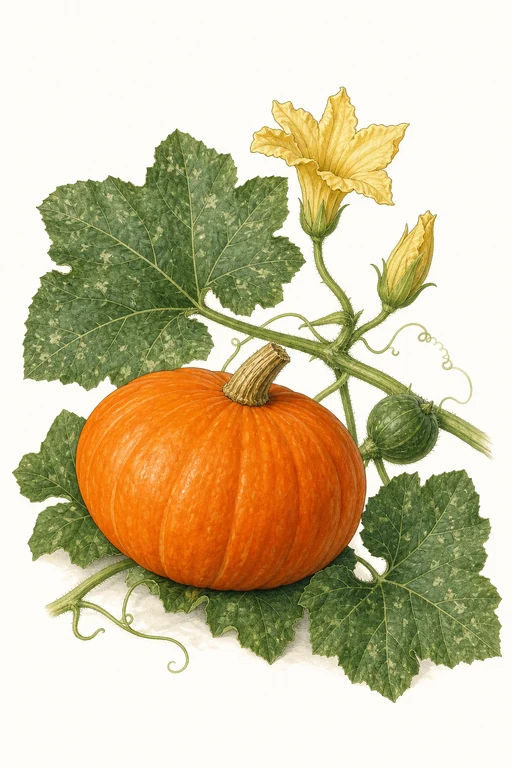
Sink your spoon into the sunlit sweetness of Orange Hokkaido—an heirloom-style Kuri squash with a vivid orange shell and a velvety, fine-grained interior that turns silky when roasted.
The flesh is rich and aromatic, offering a comforting sweetness and a tender bite that shines in autumn mashes and smooth purees, as well as hearty baked dishes. Grow it for a long, satisfying season: sturdy vines, reliable set, and fruit that stores beautifully for weeks of golden harvest.
Light: Full SunMaturity: 90 DaysHabit: Vine
Crop Dates : 2b
| Milestone | Date |
|---|---|
| Start Indoors | May 1st |
| Last Frost | May 15th |
| Transplant / Sow Outdoors | May 15th |
| Harvest Begins | Aug 13th |
| Harvest Ends | Aug 25th |
Crop Details
| Trait | Value |
|---|---|
| Days to Maturity | 90 |
| Sun Requirements | Full Sun |
| Growth Habit | Vine |
| Support Needed | Trellis |
| Planting Depth | Normal |
| Germination Temp (°F) | 70 |
| Min Soil Temp (°F) | 65 |
| Min Night Temp (°F) | 55 |
| Harden Off (days) | 10 |
Culinary Notes

Chef's Note
Orange Hokkaido’s fine-grained, sweet flesh roasts down into a spoonable, almost custard-like texture—this is the squash you want when mash has to be silky, not stringy. It likes heat and fat: roast it hard for caramel edges, then balance the sweetness with sage, thyme, or a tangy spoon of yogurt.

Best Uses
- roasted wedges with deeply caramelized edges
- silky mash or puree (the texture holds up under seasoning)
- baked gratins and stuffed halves where it goes custardy
- autumn soups and velouté-style bisques thickened by puree

Flavor Profile

Frequently Asked Questions
What pest or disease most commonly affects Cucurbita maxima (Orange Hokkaido), and how can I control it?
How often should I water Orange Hokkaido (Cucurbita maxima) during the main growing phase?
How do I know when Orange Hokkaido (Cucurbita maxima) is ready to harvest?
Sowing Tips

Transplant Conditions
Wait until soil reaches 65°F and nights stay above 55°F before moving outdoors. Harden off for 10 days first.

Direct Sow Preferred
Sensitive roots — does not transplant well. If starting indoors, use biodegradable pots and disturb roots as little as possible when moving outdoors.
Expert Note

For Kuri (Cucurbita maxima), use raised mounds and wait for warm soil to speed rooting—consistent moisture early reduces split fruit later.