
Painted Mountain
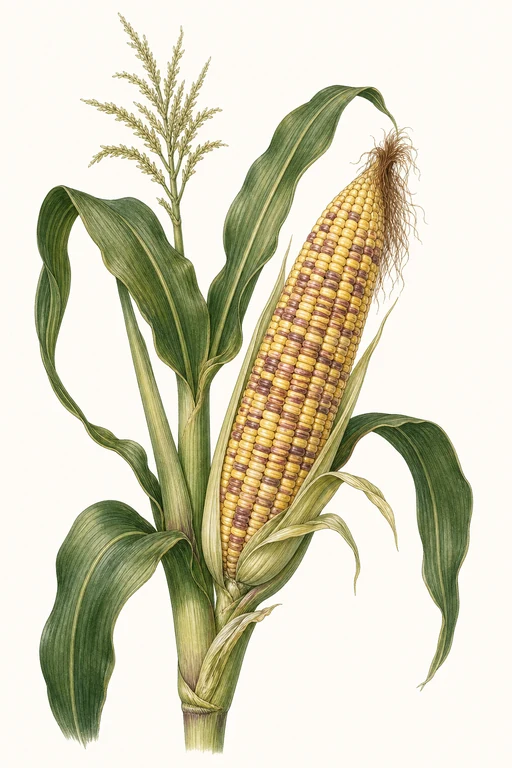
Sweet, milky kernels burst with a painterly mix of warm gold and soft, painterly streaks—an heirloom-worthy spectacle that turns tender and creamy when harvested at peak freshness.
Painted Mountain flour corn forms plump, medium-length ears with a fine, velvety texture that’s prized for spoonable, hominy-style results and for thickening sauces with a gentle, corn-sweet depth. Grow it for a harvest that feels like edible art—showy in the garden and wonderfully versatile in the pot.
Light: Full SunMaturity: 95 DaysHabit: Upright
Planting schedules and alerts are optimized for Columbus (Zone 6b).
Crop Dates
| Milestone | Date |
|---|---|
| Start Indoors | Direct Sow |
| Last Frost | Apr 25th |
| Transplant / Sow Outdoors | Apr 25th |
| Harvest Begins | Jul 29th |
| Harvest Ends | Oct 16th |
Crop Details
| Trait | Value |
|---|---|
| Days to Maturity | 95 |
| Sun Requirements | Full Sun |
| Growth Habit | Upright |
| Support Needed | None |
| Planting Depth | Normal |
| Germination Temp (°F) | 60 |
| Min Soil Temp (°F) | 55 |
| Min Night Temp (°F) | 50 |
| Harden Off (days) | Not Required |
Culinary Notes

Chef's Note
Harvested at peak, Painted Mountain’s milky kernels go creamy and spoonable—more like soft hominy than tight, starchy kernels. Use the flour or tender grains to thicken and round out soups and cream-style preparations where you want corn sweetness to read silky, not chewy.

Best Uses
- fresh corn-to-grits style porridge (early harvest)
- spoonable hominy-style kernels for bowls with broth or butter
- fine corn flour porridge or slurry to thicken soups and sauces
- cream-style corn with dairy to emphasize the milky sweetness

Flavor Profile

Kitchen Pairings
Frequently Asked Questions
What pest or disease problem commonly affects sweet corn (Zea mays var. saccharata), and what can I do about it?
How often should I water painted mountain sweet corn during the main growing phase?
How can I tell when painted mountain sweet corn is ready to harvest?
Sowing Tips

Transplant Conditions
Wait until soil reaches 55°F and nights stay above 50°F before moving outdoors.
Expert Note

For best pollination (and fuller, more even ears), plant in blocks of at least 4 rows rather than single rows.