
Phenomenal
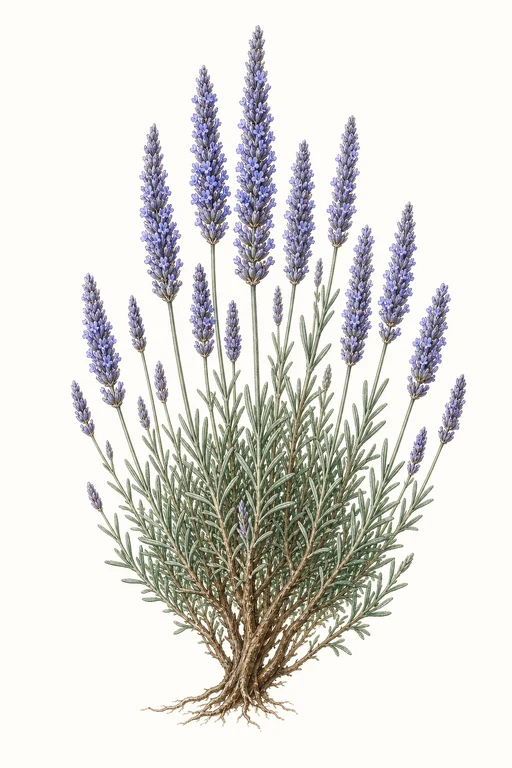
Breathe in the first bloom of Phenomenal Lavender—an aromatic rush of cool, floral lavender that lingers on warm air.
At maturity, its richly colored flower spikes rise with a poised, silvery grace, offering a crisp, dry-textured bouquet that holds its fragrance beautifully for sachets and dried arrangements. Grow Phenomenal for a long season of scent and an ornamental presence that turns borders and sunny beds into a fragrant, living landscape.
Light: Full SunMaturity: 90 DaysHabit: Upright
Location not set yet
Location not set yet
Enter your ZIP for local crop dates
Phenomenal Planting Dates by USDA Zone
Estimated US hardiness-zone windows for sow, transplant, and harvest. Enter a US ZIP above for exact local dates, or open a zone below.
| Zone | Start Indoors | Sow / Transplant | Harvest |
|---|---|---|---|
| Zone 1a | Apr 20th | Aug 10th | Nov 8th – Jul 15th |
| Zone 1b | Apr 6th | Jul 27th | Oct 25th – Aug 1st |
| Zone 2a | Mar 30th | Jul 20th | Oct 18th – Aug 29th |
| Zone 2b | Mar 20th | Jul 10th | Oct 8th – Aug 25th |
| Zone 3a | Mar 20th | Jul 10th | Oct 8th – Sep 1st |
| Zone 3b | Mar 24th | Jul 14th | Oct 12th – Sep 21st |
| Zone 4a | Mar 20th | Jul 10th | Oct 8th – Sep 24th |
| Zone 4b | Mar 18th | Jul 8th | Oct 6th – Sep 27th |
| Zone 5a | Mar 13th | Jul 3rd | Oct 1st – Sep 30th |
| Zone 5b | Mar 9th | Jun 29th | Sep 27th – Oct 5th |
| Zone 6a | Mar 6th | Jun 26th | Sep 24th – Oct 10th |
| Zone 6b | Feb 28th | Jun 20th | Sep 18th – Oct 16th |
| Zone 7a | Feb 23rd | Jun 15th | Sep 13th – Oct 20th |
| Zone 7b | Feb 13th | Jun 5th | Sep 3rd – Oct 28th |
| Zone 8a | Feb 4th | May 27th | Aug 25th – Nov 5th |
| Zone 8b | Jan 26th | May 18th | Aug 16th – Nov 12th |
| Zone 9a | Jan 9th | May 1st | Jul 30th – Nov 26th |
| Zone 9b | Dec 15th | Apr 6th | Jul 5th – Dec 9th |
| Zone 10a | — | Oct 1st | Dec 30th – Feb 28th |
| Zone 10b | — | Oct 1st | Dec 30th – Feb 28th |
| Zone 11a | — | Oct 1st | Dec 30th – Feb 28th |
| Zone 11b | — | Oct 1st | Dec 30th – Feb 28th |
| Zone 12a | — | Oct 1st | Dec 30th – Feb 28th |
| Zone 12b | — | Oct 1st | Dec 30th – Feb 28th |
| Zone 13a | — | Oct 1st | Dec 30th – Feb 28th |
| Zone 13b | — | Oct 1st | Dec 30th – Feb 28th |
Crop Details
| Trait | Value |
|---|---|
| Days to Maturity | 90 |
| Sun Requirements | Full Sun |
| Growth Habit | Upright |
| Support Needed | None |
| Planting Depth | Normal |
| Germination Temp (°F) | 65 |
| Min Soil Temp (°F) | 60 |
| Min Night Temp (°F) | 40 |
| Harden Off (days) | 7 |
Culinary Notes

Chef's Note
This cultivar reads like perfume in edible form—cool, floral, and lingering—so it shines when you steep (milk/syrup) or bake in small, controlled doses. Use it sparingly because too much turns from aromatic to soapy fast, especially in hot preparations.

Best Uses
- infuse milk or cream for custards and ice cream
- steep for a clean lavender syrup or simple syrup
- bake into shortbread and sugar cookies for a restrained perfume
- dried-lavender sachet infusions for cocktails and infused salts (remove before serving)

Flavor Profile

Kitchen Pairings
Frequently Asked Questions
What pest or disease most commonly affects Lavandula × intermedia, and how do I treat it?
How often should I water Lavandula × intermedia during the main growing phase?
How can I tell when Lavandula × intermedia is ready to harvest (about 90 days)?
Sowing Tips

Transplant Conditions
Wait until soil reaches 60°F and nights stay above 40°F before moving outdoors. Harden off for 7 days first.
Expert Note

Plant in well-drained, gritty soil and avoid overwatering—lavender roots rot in persistent moisture even if cold-hardy.