
Pikant
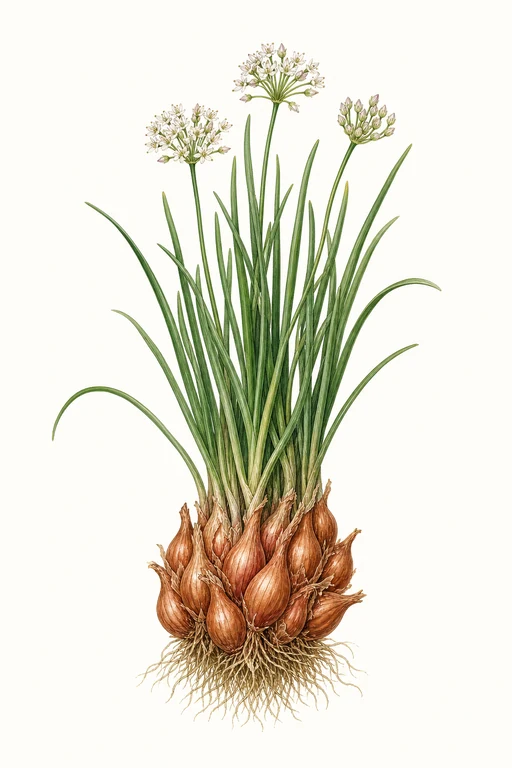
A bright, pungent shallot with a lively bite—Pikant delivers a sharp, aromatic intensity that blooms as soon as it’s opened.
Its bulbs form neat, layered skins with a firm, crisp texture and a clean, concentrated flavor that shines in bold preparations and quick pickling-style uses. For the home gardener, Pikant is a satisfying 90-day crop that rewards attention with richly flavored harvests and reliable, market-ready bulbs.
Light: Full SunMaturity: 90 DaysHabit: Bulbing
Planting schedules and alerts are optimized for Columbus (Zone 6b).
Crop Dates
| Milestone | Date |
|---|---|
| Start Indoors | Direct Sow |
| Last Frost | Apr 25th |
| Transplant / Sow Outdoors | Apr 25th |
| Harvest Begins | Jul 24th |
| Harvest Ends | Oct 16th |
Crop Details
| Trait | Value |
|---|---|
| Days to Maturity | 90 |
| Sun Requirements | Full Sun |
| Growth Habit | Bulbing |
| Support Needed | None |
| Planting Depth | Normal |
| Germination Temp (°F) | 70 |
| Min Soil Temp (°F) | 50 |
| Min Night Temp (°F) | 28 |
| Harden Off (days) | Not Required |
Culinary Notes

Chef's Note
Pikant’s bite hits fast—so treat it like a heat/acid seasoning: thin slices and quick pickles, or a brief sauté where it stays snappy and aromatic. Its firm, layered texture doesn’t collapse in a hot pan, making it a go-to for sauces that need clean allium punch without turning onion-sweet.

Best Uses
- quick pickling-style shallot brine (thin-sliced)
- fast sauté or confit start for pan sauces—stop before it turns sweet and dull
- finishing dice for vinaigrettes and warm grain bowls
- grilling/roasting halved bulbs for caramel-edge with a still-firm center

Flavor Profile

Kitchen Pairings
Frequently Asked Questions
What’s the most common pest or disease affecting Allium oschaninii (French Grey shallot), and how can I manage it?
How often should I water Allium oschaninii during the main growing phase (after emergence until bulbing)?
How do I tell when Allium oschaninii is ready to harvest?
Sowing Tips

Transplant Conditions
Wait until soil reaches 50°F and nights stay above 28°F before moving outdoors.
Expert Note

Plant shallot sets in cool weather as soon as the ground can be worked, and keep soil evenly moist while bulbs size up, then taper off watering near harvest.