
Pink Berkeley Tie-Dye
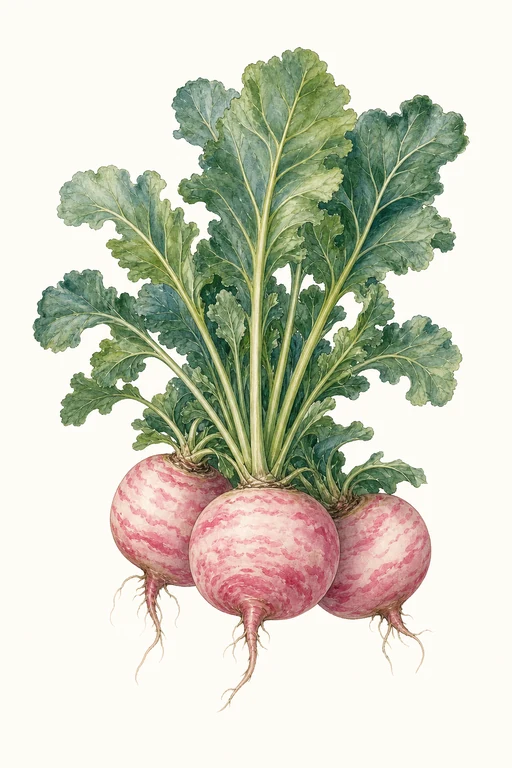
Delicate as a watercolor wash, Pink Berkeley Tie-Dye delivers tender, sweet-rooted flavor with a rosy, candy-striped allure that deepens as it matures.
The roots form a smooth, globe-to-round silhouette with crisp, fine-grained texture—ideal for roasting until caramel-soft, or for fresh slicing when you want that clean, garden-sweet bite. Grow it for a cool-season harvest that turns your bed into a living palette and your table into a celebration of color.
Light: Full SunMaturity: 85 DaysHabit: Indeterminate
Planting schedules and alerts are optimized for Columbus (Zone 6b).
Crop Dates
| Milestone | Date |
|---|---|
| Start Indoors | Mar 7th |
| Last Frost | Apr 25th |
| Transplant / Sow Outdoors | Jun 20th |
| Harvest Begins | Sep 13th |
| Harvest Ends | Oct 16th |
Crop Details
| Trait | Value |
|---|---|
| Days to Maturity | 85 |
| Sun Requirements | Full Sun |
| Growth Habit | Indeterminate |
| Support Needed | Cage |
| Planting Depth | Deep |
| Germination Temp (°F) | 75 |
| Min Soil Temp (°F) | 60 |
| Min Night Temp (°F) | 50 |
| Harden Off (days) | 7 |
Culinary Notes

Chef's Note
This tie-dye beet delivers a delicate sweetness with a surprisingly fine, clean crunch, so it earns its place where color and texture matter. Roast it for caramel-soft edges, but keep it lightly dressed—its candy-rose flavor doesn’t need heavy flavors to show off.

Best Uses
- roast until caramel edges form, then slice while hot and glossy
- serve raw or lightly pickled for snappy, candy-striped crunch
- steam and glaze with butter/honey for a lacquered finish
- shave fresh into salads where they stay crisp under light vinaigrette

Flavor Profile

Kitchen Pairings
Frequently Asked Questions
What’s a common tomato (Solanum lycopersicum) disease problem and how can I fix it?
How often should I water Pink Berkeley Tie-Dye tomatoes during the main growing phase?
How do I tell when Pink Berkeley Tie-Dye tomatoes are ready to harvest?
Sowing Tips

Transplant Conditions
Wait until soil reaches 60°F and nights stay above 50°F before moving outdoors. Harden off for 7 days first.
Expert Note

Keep transplants in the warmest soil you can (and use low tunnels early) because this cucurbit will stall in cool ground.