
Plainsman
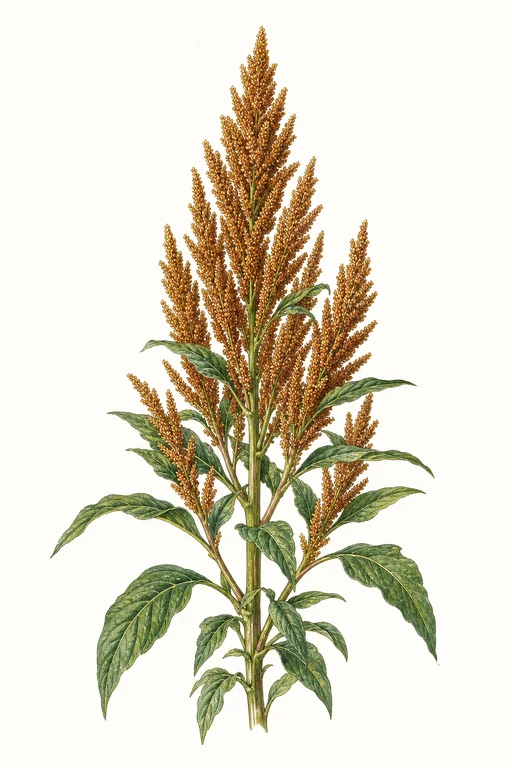
Plainsman amaranth pours forth a dramatic, feathery cascade of grain heads that shimmer in the sun—an earthy, nutty flavor with a pleasantly chewy bite.
The seed is rich and satisfying, ideal for grinding into flour or meal for hearty baking and thickening, and it also shines when popped for a crisp, pop-and-snap texture. Grow Plainsman for a bold, ornamental grain that rewards with dependable harvest at about 90 days and a distinctive, robust character in every cup of grain you make.
Light: Full SunMaturity: 90 DaysHabit: Upright
Planting schedules and alerts are optimized for Columbus (Zone 6b).
Crop Dates
| Milestone | Date |
|---|---|
| Start Indoors | Direct Sow |
| Last Frost | Apr 25th |
| Transplant / Sow Outdoors | Apr 25th |
| Harvest Begins | Jul 24th |
| Harvest Ends | Oct 16th |
Crop Details
| Trait | Value |
|---|---|
| Days to Maturity | 90 |
| Sun Requirements | Full Sun |
| Growth Habit | Upright |
| Support Needed | None |
| Planting Depth | Normal |
| Germination Temp (°F) | 70 |
| Min Soil Temp (°F) | 60 |
| Min Night Temp (°F) | 50 |
| Harden Off (days) | Not Required |
Culinary Notes

Chef's Note
Plainsman amaranth has that earthy-nut profile and a chewy kernel you can feel in the spoon, which is why it holds up in porridge and grits without turning gummy. When you pop it, it goes from hearty to crisp fast, making it an awesome textural foil for sweet (honeyed yogurt) or savory (tomato-forward stews) dishes.

Best Uses
- grinding into hearty baking flour (cookies, quick breads, flatbreads)
- making thick, spoon-coating porridge/grits—no need for long simmering
- dry-roasting then grinding for a nutty topping dust
- popping the seed for a crunchy cereal-like garnish

Flavor Profile

Kitchen Pairings
Frequently Asked Questions
What pest or disease commonly affects Amaranthus hypochondriacus (plainsman), and how can I treat it?
How often should I water Amaranthus hypochondriacus during the main growing phase, and what soil moisture level does it want?
How do I know when Amaranthus hypochondriacus (plainsman) is ready to harvest?
Sowing Tips

Transplant Conditions
Wait until soil reaches 60°F and nights stay above 50°F before moving outdoors.
Expert Note

Direct-sow grain amaranth after frost when soil is warm, then thin to ensure strong plants for maximum seed yield.