
Plum
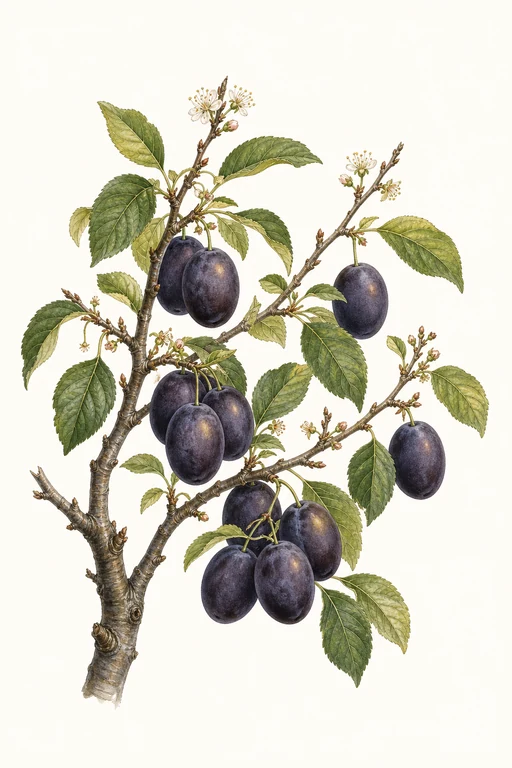
Sun-warmed fruit with a velvet skin and a juicy, honeyed bite—Plum delivers a rich, orchard-sweet flavor that feels luminous on the palate.
At maturity, the flesh turns succulent and aromatic, with a balanced sweetness and gentle tang that shines whether you enjoy it fresh or rely on it for preserves and processing. Grow Plum for a dependable home harvest and a tree that brings true garden fruit character season after season.
Light: Full SunMaturity: 365 DaysHabit: Shrub
Planting schedules and alerts are optimized for Columbus (Zone 6b).
Crop Dates
| Milestone | Date |
|---|---|
| Last Frost | Apr 25th |
| Growing Approach | Protected Environment Only |
Crop Details
| Trait | Value |
|---|---|
| Days to Maturity | 365 |
| Sun Requirements | Full Sun |
| Growth Habit | Shrub |
| Support Needed | None |
| Planting Depth | Normal |
| Germination Temp (°F) | 70 |
| Min Soil Temp (°F) | 40 |
| Min Night Temp (°F) | 28 |
| Harden Off (days) | 7 |
Culinary Notes

Chef's Note
Plum’s honeyed sweetness and natural, gentle acidity give you a fruit that behaves beautifully under heat—its juices cook down into a glossy, clingy layer instead of turning thin. Choose it when you want a warm, fragrant stone-fruit flavor that stands up to spices like cinnamon and plays nice with tea or spirits for a grown-up dessert mood.

Best Uses
- fresh eating with a pinch of salt to sharpen the honeyed bite
- stovetop preserves—cook down to a jam that sets without tasting watery
- baking into galettes or crostatas where the juices thicken and perfume the crust
- grilling or roasting to concentrate sugars and soften the tang into caramel notes

Flavor Profile

Kitchen Pairings
Frequently Asked Questions
What are common pests or diseases that hit Prunus domestica (plum) trees, and how can I manage them?
How often should I water a Prunus domestica tree during the main growing season, and what soil moisture target should I aim for?
How can I tell when Prunus domestica plums are ready to harvest?
Sowing Tips

Transplant Conditions
Wait until soil reaches 40°F and nights stay above 28°F before moving outdoors. Harden off for 7 days first.
Expert Note

For plums, plant in full sun and ensure a reliable winter chill; for most home gardens, fall or very early spring planting while dormant gives the best root establishment.