
Plume
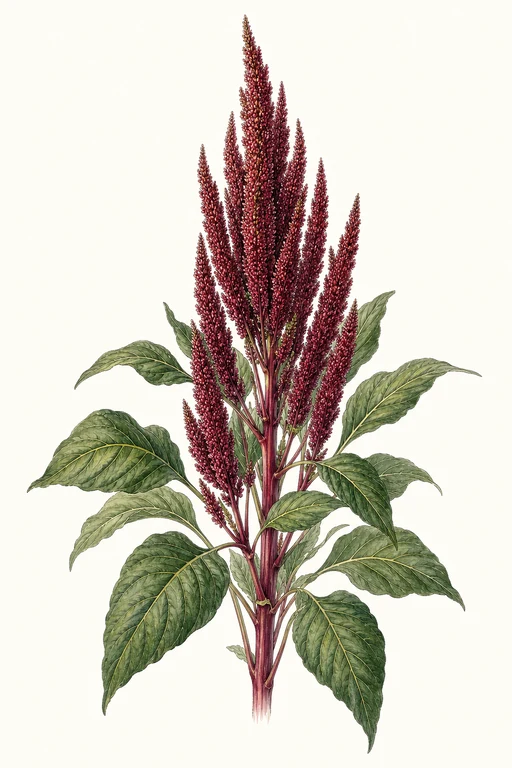
Feather-soft plumes rise above the garden in a living cascade of color, and when the seedheads mature they reward you with a nutty, gently earthy grain that feels satisfyingly substantial.
Plume amaranth forms dense, upright panicles that dry down cleanly for reliable harvest, with seed that’s rich in character and ideal for wholesome, homegrown grain use. Grow it for its bold, ornamental presence and its dependable, pantry-ready yield at about 90 days.
Light: Full SunMaturity: 90 DaysHabit: Upright
Planting schedules and alerts are optimized for Columbus (Zone 6b).
Crop Dates
| Milestone | Date |
|---|---|
| Start Indoors | Direct Sow |
| Last Frost | Apr 25th |
| Transplant / Sow Outdoors | Apr 25th |
| Harvest Begins | Jul 24th |
| Harvest Ends | Oct 16th |
Crop Details
| Trait | Value |
|---|---|
| Days to Maturity | 90 |
| Sun Requirements | Full Sun |
| Growth Habit | Upright |
| Support Needed | None |
| Planting Depth | Normal |
| Germination Temp (°F) | 70 |
| Min Soil Temp (°F) | 65 |
| Min Night Temp (°F) | 40 |
| Harden Off (days) | Not Required |
Culinary Notes

Chef's Note
Plume amaranth cooks into a tight, chewy grain with a nutty, lightly earthy finish—less fluffy than quinoa, more satisfyingly substantial. Toasting before simmering sharpens the grain’s aroma, making it a strong base for acidic, smoky flavors like lime and chile.

Best Uses
- cook like rice for a nutty, chewy base that holds a spoon
- brew into a thick porridge with milk or coconut for a porridge that clings
- toast the dry seed then simmer for a risotto-like, grain-forward dish
- grind into gluten-free flour for dense flatbreads or rustic pancakes

Flavor Profile

Kitchen Pairings
Frequently Asked Questions
What pest or disease commonly affects Amaranthus cruentus (plume), and what should I do about it?
How often should I water Amaranthus cruentus during the main growing phase?
How can I tell when Amaranthus cruentus (plume) is ready to harvest?
Sowing Tips

Transplant Conditions
Wait until soil reaches 65°F and nights stay above 40°F before moving outdoors.
Expert Note

Sow after soil is warm and expect slow early growth—keep moisture steady until seedlings establish.