
Pollinator's Delight Mix
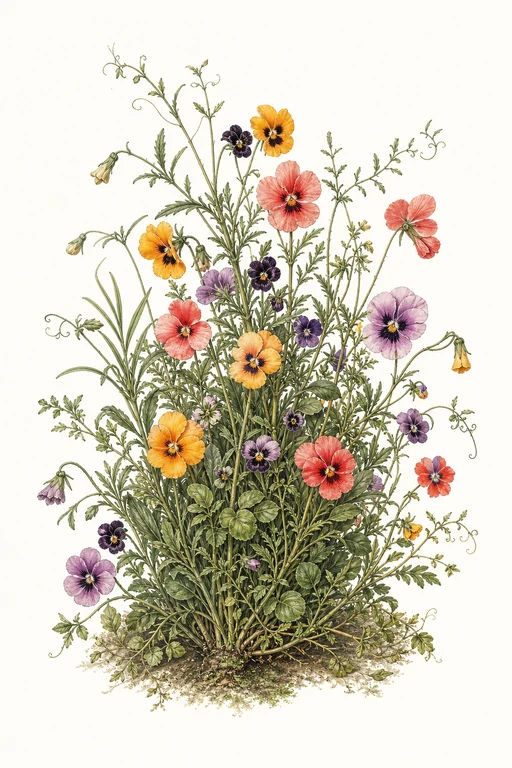
A riot of bloom in motion—silky petals and bright, nectar-rich faces that seem to glow in sun and soften in evening light.
Pollinator's Delight Mix is built for nonstop color from early through the 60-day window, offering a welcoming feast of pollen and nectar for beneficial insects while creating a lively, garden-filling texture. Plant it for a thriving companion display that turns borders, beds, and containers into a buzzing tapestry all season long.
Light: Full SunMaturity: 60 DaysHabit: Clumping
Planting schedules and alerts are optimized for Columbus (Zone 6b).
Crop Dates
| Milestone | Date |
|---|---|
| Start Indoors | Direct Sow |
| Last Frost | Apr 25th |
| Transplant / Sow Outdoors | Apr 25th |
| Harvest Begins | Jun 24th |
| Harvest Ends | Oct 16th |
Crop Details
| Trait | Value |
|---|---|
| Days to Maturity | 60 |
| Sun Requirements | Full Sun |
| Growth Habit | Clumping |
| Support Needed | None |
| Planting Depth | Surface |
| Germination Temp (°F) | 65 |
| Min Soil Temp (°F) | 55 |
| Min Night Temp (°F) | 45 |
| Harden Off (days) | Not Required |
Culinary Notes

Chef's Note
Pollinator’s Delight Mix is a multi-species flower blend whose exact blooms (and their edible status) aren’t identified here, so you can’t cook or plate it with confidence. Treat it as a nectar/ornamental mix; for eating, switch to a single labeled edible flower variety.

Best Uses
- Not intended as a culinary ingredient because the exact species/edible suitability isn’t specified
- Use for visual/nectar display only; if you want to eat flowers, source a single, clearly labeled edible variety

Flavor Profile
Frequently Asked Questions
What pest or disease issue is most common with a pollinator “mix,” and how do I prevent it?
How often should I water during the main growing phase to keep pollinator mix seedlings and blooms healthy?
How can I tell when a pollinator’s delight mix is ready to harvest?
Sowing Tips

Transplant Conditions
Wait until soil reaches 55°F and nights stay above 45°F before moving outdoors.
Expert Note

For the best beneficial-insect turnout, sow in warm, sunny conditions and keep the mix lightly moist until established, then water only as needed.