
Ponca
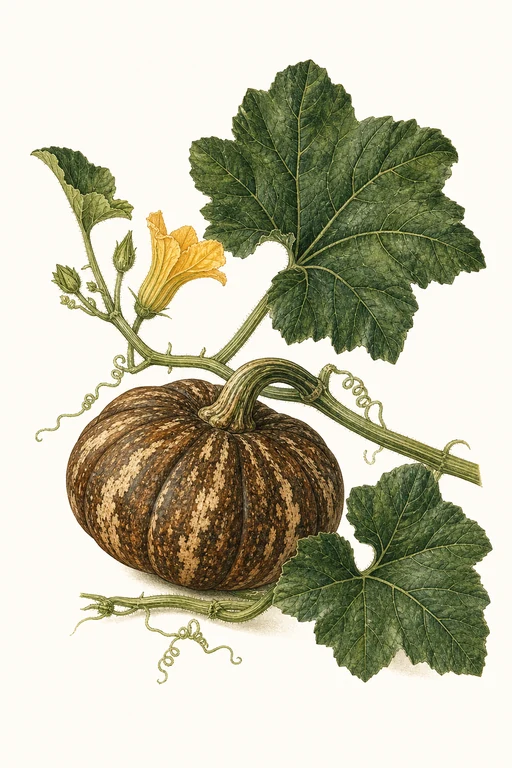
A rich, sun-baked sweetness rises from Ponca’s deep, handsome flesh—silky and velvety when fully cured, with a warm, golden interior that feels almost buttery to the tongue.
The rind is notably sturdy and beautifully patterned, built for storage and steady flavor development over time, making it a dependable centerpiece for the season. Grow Ponca for its dependable winter squash performance and its luxurious texture that shines in hearty, slow-simmered preparations and roasted favorites alike.
Light: Full SunMaturity: 95 DaysHabit: Vine
Planting schedules and alerts are optimized for Columbus (Zone 6b).
Crop Dates
| Milestone | Date |
|---|---|
| Start Indoors | Apr 11th |
| Last Frost | Apr 25th |
| Transplant / Sow Outdoors | Apr 25th |
| Harvest Begins | Jul 29th |
| Harvest Ends | Oct 16th |
Crop Details
| Trait | Value |
|---|---|
| Days to Maturity | 95 |
| Sun Requirements | Full Sun |
| Growth Habit | Vine |
| Support Needed | Trellis |
| Planting Depth | Normal |
| Germination Temp (°F) | 75 |
| Min Soil Temp (°F) | 70 |
| Min Night Temp (°F) | 55 |
| Harden Off (days) | 12 |
Culinary Notes

Chef's Note
Ponca’s cured, silken flesh gives you that luxurious, butter-adjacent mouthfeel that thick soups and purees can’t fake with watery squash types. It caramelizes well and stays plush instead of stringy, so it earns its keep in long-roasted or slow-simmered preparations.

Best Uses
- slow-simmered squash soup that turns creamy without thinning
- roasting until caramelized at the edges, then mashing for a silky side
- pureeing into a dense, spoonable gratin or ravioli filling
- steak-and-squash-style sheet-pan roasting with browned fat and herbs

Flavor Profile

Frequently Asked Questions
What pests or diseases commonly hit Cucurbita moschata (Ponca/Waltham Butternut types) and how can I manage them at home?
How often should I water Cucurbita moschata during the main growing phase?
How do I tell when Ponca (Cucurbita moschata) is ready to harvest?
Sowing Tips

Transplant Conditions
Wait until soil reaches 70°F and nights stay above 55°F before moving outdoors. Harden off for 12 days first.

Direct Sow Preferred
Sensitive roots — does not transplant well. If starting indoors, use biodegradable pots and disturb roots as little as possible when moving outdoors.
Expert Note

For best yield with moschata winter squash, start seeds once nights are reliably warm, and keep soil consistently moist until vines establish.