
Profusion
Tender, lemon-bright sorrel leaves unfurl with a lively, tangy snap that tastes unmistakably fresh—an elegant bite with a clean, green finish.
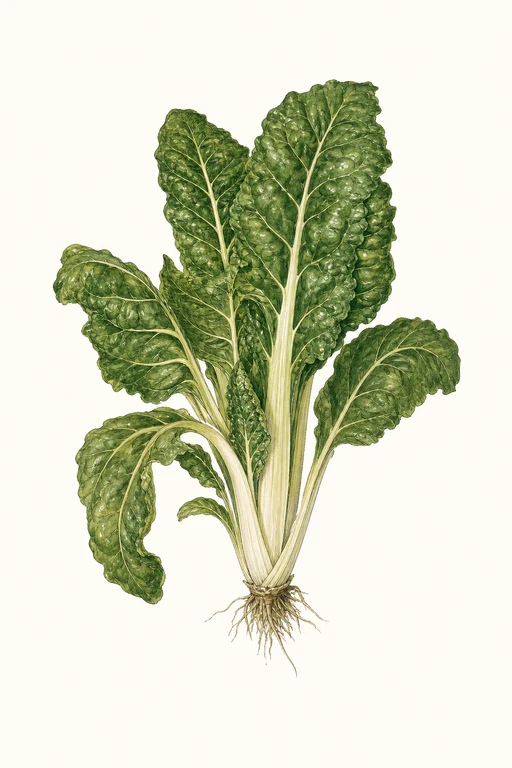
Profusion forms a dense, upright rosette of crisp foliage that’s especially prized for its quick, reliable harvest at about 35 days, delivering a steady supply of flavorful leaves. Grow it for vibrant spoonfuls in salads and for stirring into sauces, soups, and quick pickles where its vivid acidity shines.
Light: Part SunMaturity: 35 DaysHabit: Rosette
Planting schedules and alerts are optimized for Columbus (Zone 6b).
Crop Dates
| Milestone | Date |
|---|---|
| Start Indoors | Direct Sow |
| Last Frost | Apr 25th |
| Transplant / Sow Outdoors | Apr 25th |
| Harvest Begins | May 30th |
| Harvest Ends | Oct 16th |
Crop Details
| Trait | Value |
|---|---|
| Days to Maturity | 35 |
| Sun Requirements | Part Sun |
| Growth Habit | Rosette |
| Support Needed | None |
| Planting Depth | Normal |
| Germination Temp (°F) | 60 |
| Min Soil Temp (°F) | 40 |
| Min Night Temp (°F) | 28 |
| Harden Off (days) | Not Required |
Culinary Notes

Chef's Note
Profusion sorrel is built for speed: its tender, citrusy tang perks up warm or cool plates without turning soft or dull. Use it late—its fresh snap stays vivid when you treat it like herbs, not like greens that need long cooking.

Best Uses
- stirred into warm pan sauces or melted butter to cut richness at the last second
- soup spoonfuls (hot but not boiled hard) for a vivid, fresh pucker
- salad leaves that can stand up to vinaigrettes and still feel lively
- quick pickles where the tartness stays crisp

Flavor Profile

Kitchen Pairings
Frequently Asked Questions
What pest or disease commonly affects Rumex acetosa (sorrel) and how do I control it?
How often should I water Rumex acetosa during the main growing phase?
How can I tell when Rumex acetosa is ready to harvest?
Sowing Tips

Transplant Conditions
Wait until soil reaches 40°F and nights stay above 28°F before moving outdoors.
Expert Note

Grow Profusion seedless sorrel in consistently moist soil; harvest frequently to keep leaves tender and minimize spiny flowering.