
Queen Anne's Pocket Melon
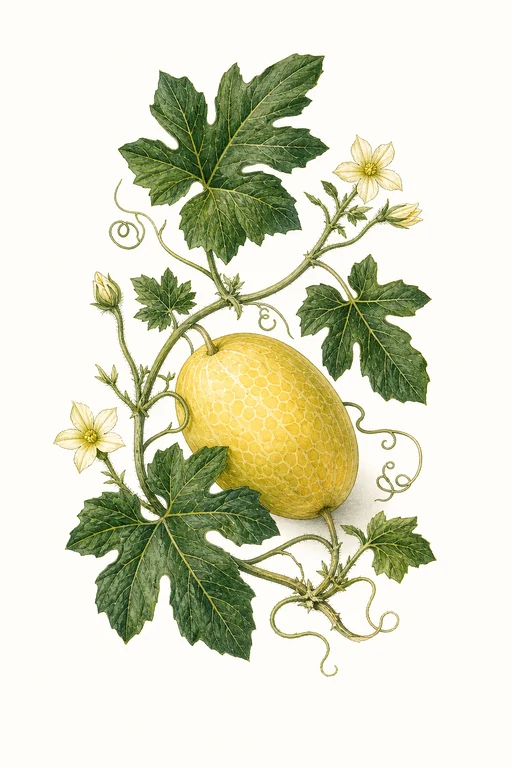
Sun-warmed and irresistibly aromatic, Queen Anne’s Pocket Melon forms petite, hand-sized fruits with a honeyed fragrance and a tender, juicy bite.
The flesh is richly sweet and smooth—silky in texture, with a perfumed depth that shines whether you enjoy it straight from the garden or showcase it in fresh fruit platters and elegant summer sauces. A specialty melon for gardeners who love standout flavor and a charming, pocket-sized harvest—ideal for sharing and savoring at peak ripeness.
Light: Full SunMaturity: 75 DaysHabit: Vine
Planting schedules and alerts are optimized for Columbus (Zone 6b).
Crop Dates
| Milestone | Date |
|---|---|
| Start Indoors | May 16th |
| Last Frost | Apr 25th |
| Transplant / Sow Outdoors | May 30th |
| Harvest Begins | Aug 13th |
| Harvest Ends | Oct 16th |
Crop Details
| Trait | Value |
|---|---|
| Days to Maturity | 75 |
| Sun Requirements | Full Sun |
| Growth Habit | Vine |
| Support Needed | Trellis |
| Planting Depth | Normal |
| Germination Temp (°F) | 75 |
| Min Soil Temp (°F) | 70 |
| Min Night Temp (°F) | 55 |
| Harden Off (days) | 12 |
Culinary Notes

Chef's Note
Queen Anne’s Pocket Melon is all about aroma and tenderness—at peak ripeness it’s silky and juicy, not watery. It loves cool dairy and sharp citrus to keep the sweetness bright, and it holds its own alongside salty, cured flavors.

Best Uses
- ice-cold fresh eating—chunked and portioned like candy fruit
- stirred into lightly sweetened summer yogurt or crème fraîche
- quick no-cook fruit sauce for grilled chicken or pork
- paired with savory herbs in a chilled fruit salad

Flavor Profile

Kitchen Pairings
Frequently Asked Questions
What pests or diseases commonly hit Cucumis melo (Queen Anne’s Pocket Melon), and how do I manage them?
How often should I water Queen Anne’s Pocket Melon during its main growing phase?
How can I tell when Queen Anne’s Pocket Melon is ready to harvest?
Sowing Tips

Transplant Conditions
Wait until soil reaches 70°F and nights stay above 55°F before moving outdoors. Harden off for 12 days first.

Direct Sow Preferred
Sensitive roots — does not transplant well. If starting indoors, use biodegradable pots and disturb roots as little as possible when moving outdoors.
Expert Note

Start seeds in biodegradable pots and keep seedlings warm until transplanting to avoid root shock and improve fragrance/fruit set.