
Red Japanese
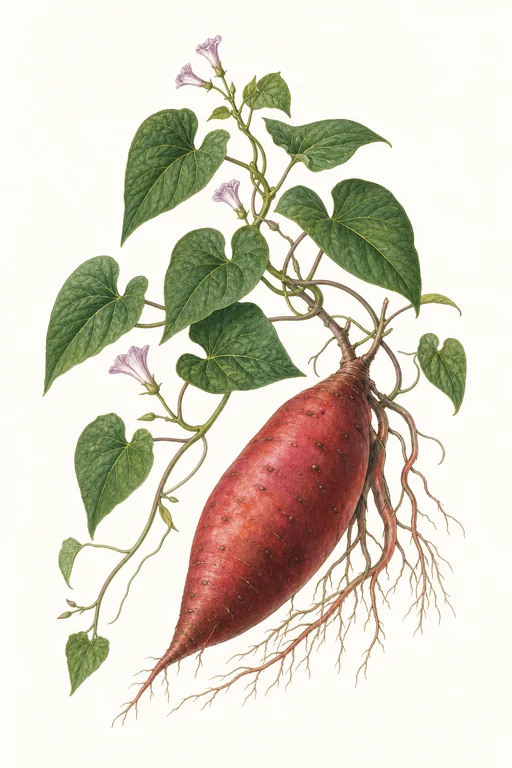
Velvety, coppery-orange flesh with a gentle sweetness greets you at harvest—“Red Japanese” sweet potatoes develop a smooth, satin texture that roasts to tender caramel notes and shines when mashed into silky purées.
The roots form with a distinctive reddish skin and a bright orange interior, offering reliable flavor and color for home gardeners who want dependable results in about 90 days. Grow “Red Japanese” for both its lush leafy greens and its richly hued roots—an all-season favorite for roasting and bold, color-forward sauces.
Light: Full SunMaturity: 90 DaysHabit: Vine
Planting schedules and alerts are optimized for Columbus (Zone 6b).
Crop Dates
| Milestone | Date |
|---|---|
| Start Indoors | Direct Sow |
| Last Frost | Apr 25th |
| Transplant / Sow Outdoors | Apr 25th |
| Harvest Begins | Jul 24th |
| Harvest Ends | Oct 16th |
Crop Details
| Trait | Value |
|---|---|
| Days to Maturity | 90 |
| Sun Requirements | Full Sun |
| Growth Habit | Vine |
| Support Needed | Trellis |
| Planting Depth | Normal |
| Germination Temp (°F) | 75 |
| Min Soil Temp (°F) | 70 |
| Min Night Temp (°F) | 55 |
| Harden Off (days) | 10 |
Culinary Notes

Chef's Note
“Red Japanese” sweet potatoes roast into a tender, satin-starchy interior with caramel-leaning sweetness—ideal when you want color and a smooth mouthfeel, not strings. Because the sweetness is gentle, it plays nicely with acidic hits and funkier smoke rather than cloying up with sugar-only flavors.

Best Uses
- roast wedges until edges caramelize and centers stay buttery
- silky mash or purée for an orange-pour texture (no gritty finish)
- thick, color-forward purée sauces for chicken, pork, or grain bowls
- bake-and-mash style fillings where sweetness needs balancing

Flavor Profile

Kitchen Pairings
Frequently Asked Questions
What pest or disease most commonly affects Ipomoea batatas (Japanese red sweet potato), and what should I do?
How often should I water Ipomoea batatas during the main growing phase?
How can I tell when Ipomoea batatas is ready to harvest?
Sowing Tips

Transplant Conditions
Wait until soil reaches 70°F and nights stay above 55°F before moving outdoors. Harden off for 10 days first.

Direct Sow Preferred
Sensitive roots — does not transplant well. If starting indoors, use biodegradable pots and disturb roots as little as possible when moving outdoors.
Expert Note

Plant slips/cuttings only after soil is fully warm (about 70°F+), because cold soil severely delays rooting and growth.