
Red Long Of Tropea
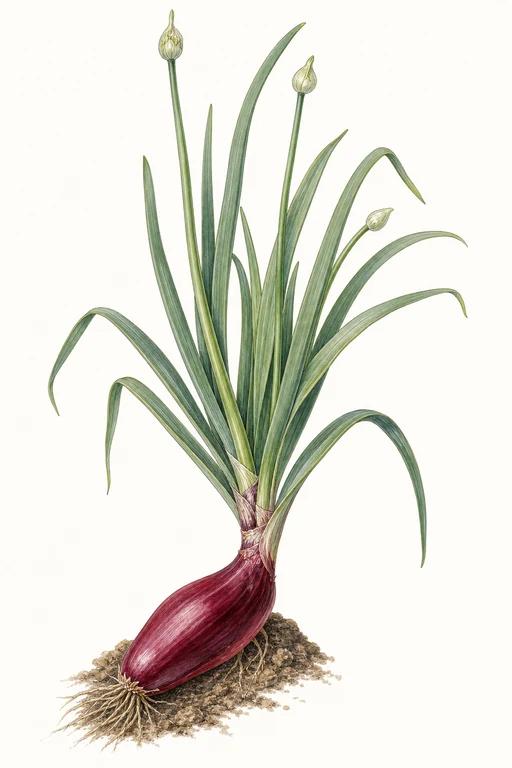
Sweetly aromatic and richly colored, Red Long Of Tropea forms elegant, elongated bulbs with a deep garnet-red skin that glows like burnished velvet.
The flesh is crisp and juicy, offering a gentle bite that mellows beautifully—ideal for roasting, caramelizing, and slow-simmered sauces, as well as standout fresh slices and pickling. Grow it for its distinctive long silhouette and dependable, harvest-ready bulbs that look as striking as they taste.
Light: Full SunMaturity: 120 DaysHabit: Bulbing
Location not set yet
Location not set yet
Enter your ZIP for local crop dates
Red Long Of Tropea Planting Dates by USDA Zone
Estimated US hardiness-zone windows for sow, transplant, and harvest. Enter a US ZIP above for exact local dates, or open a zone below.
| Zone | Start Indoors | Sow / Transplant | Harvest |
|---|---|---|---|
| Zone 1a | Protected Environment Only | ||
| Zone 1b | Protected Environment Only | ||
| Zone 2a | Protected Environment Only | ||
| Zone 2b | Protected Environment Only | ||
| Zone 3a | Protected Environment Only | ||
| Zone 3b | Mar 10th | Jun 2nd | Sep 30th – Sep 21st |
| Zone 4a | Mar 6th | May 29th | Sep 26th – Sep 24th |
| Zone 4b | Mar 4th | May 27th | Sep 24th – Sep 27th |
| Zone 5a | Feb 27th | May 22nd | Sep 19th – Sep 30th |
| Zone 5b | Feb 23rd | May 18th | Sep 15th – Oct 5th |
| Zone 6a | Feb 20th | May 15th | Sep 12th – Oct 10th |
| Zone 6b | Feb 14th | May 9th | Sep 6th – Oct 16th |
| Zone 7a | Feb 9th | May 4th | Sep 1st – Oct 20th |
| Zone 7b | Jan 30th | Apr 24th | Aug 22nd – Oct 28th |
| Zone 8a | Jan 21st | Apr 15th | Aug 13th – Nov 5th |
| Zone 8b | Jan 12th | Apr 6th | Aug 4th – Nov 12th |
| Zone 9a | Dec 26th | Mar 20th | Jul 18th – Nov 26th |
| Zone 9b | Dec 1st | Feb 23rd | Jun 23rd – Dec 9th |
| Zone 10a | — | Oct 1st | Jan 29th – Feb 28th |
| Zone 10b | — | Oct 1st | Jan 29th – Feb 28th |
| Zone 11a | — | Oct 1st | Jan 29th – Feb 28th |
| Zone 11b | — | Oct 1st | Jan 29th – Feb 28th |
| Zone 12a | — | Oct 1st | Jan 29th – Feb 28th |
| Zone 12b | — | Oct 1st | Jan 29th – Feb 28th |
| Zone 13a | — | Oct 1st | Jan 29th – Feb 28th |
| Zone 13b | — | Oct 1st | Jan 29th – Feb 28th |
Crop Details
| Trait | Value |
|---|---|
| Days to Maturity | 120 |
| Sun Requirements | Full Sun |
| Growth Habit | Bulbing |
| Support Needed | None |
| Planting Depth | Normal |
| Germination Temp (°F) | 70 |
| Min Soil Temp (°F) | 45 |
| Min Night Temp (°F) | 35 |
| Harden Off (days) | 7 |
Culinary Notes

Chef's Note
This long red onion gives you a sweet, aromatic strike at first bite, then turns tender and juicy instead of going sharp. Use it where the sugars can work—roast, caramelize, or simmer—so you get glossy, velvet-dark results that don’t overwhelm delicate cheeses or stocks.

Best Uses
- thin, raw slices for crisp salads where you want clean crunch not harsh sting
- slow caramelizing until jammy and dark without turning bitter
- roasting or sheet-pan browning for silky edges and juicy interior
- slow-simmered red onion sauces that stay sweet and clean, not sharp

Flavor Profile

Kitchen Pairings
Frequently Asked Questions
What pest or disease most commonly affects Allium cepa (red onion) in home gardens, and how can I manage it?
How often should I water Allium cepa during the main growing phase?
How do I tell when Allium cepa (red onions) are ready to harvest?
Sowing Tips

Transplant Conditions
Wait until soil reaches 45°F and nights stay above 35°F before moving outdoors. Harden off for 7 days first.
Expert Note

For sweet, torpedo-shaped bulbs, keep plants evenly watered early and avoid nitrogen-heavy feeding after bulbing begins.