
Red Veined
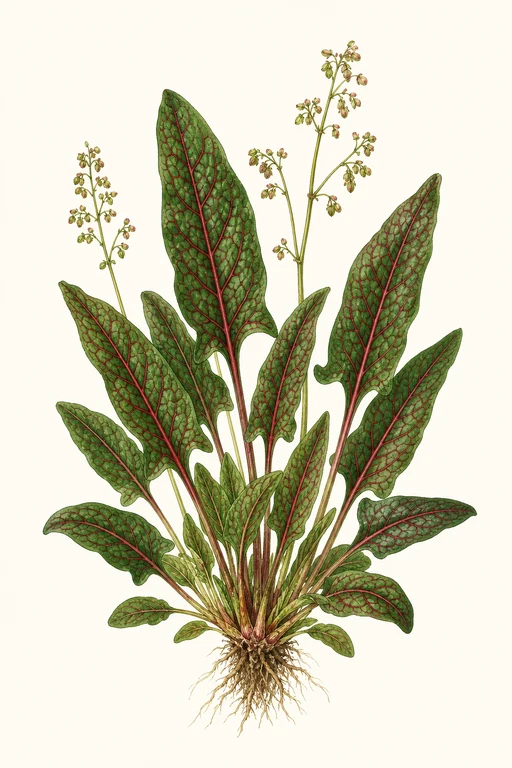
Tender leaves unfurl with a bright, tangy snap—deep green blades traced by vivid red veins that look jewel-bright in the garden.
At about 45 days, Red Veined sorrel forms an upright, leafy clump with a crisp, succulent texture that shines in fresh salads and quick sautéed dishes, and lends a lively, puckery brightness to sauces. Grow it for its striking color as much as its zing—each harvest brings a fresh flush of red-veined leaves ready to elevate simple springtime meals.
Light: Part SunMaturity: 45 DaysHabit: Rosette
Planting schedules and alerts are optimized for Columbus (Zone 6b).
Crop Dates
| Milestone | Date |
|---|---|
| Start Indoors | Direct Sow |
| Last Frost | Apr 25th |
| Transplant / Sow Outdoors | Apr 25th |
| Harvest Begins | Jun 9th |
| Harvest Ends | Oct 16th |
Crop Details
| Trait | Value |
|---|---|
| Days to Maturity | 45 |
| Sun Requirements | Part Sun |
| Growth Habit | Rosette |
| Support Needed | None |
| Planting Depth | Normal |
| Germination Temp (°F) | 65 |
| Min Soil Temp (°F) | 40 |
| Min Night Temp (°F) | 28 |
| Harden Off (days) | Not Required |
Culinary Notes

Chef's Note
Red Veined sorrel is all about that immediate, mouthwatering puckery snap—so treat it like citrus: short heat, minimal fuss, maximum freshness. The vivid leaves stay crisp enough for salads and turn silky in sauces without ever getting dull or muddy.

Best Uses
- thin-shaved into spring salads where it keeps its snap under light vinaigrette
- quick sautéed just until wilted for a tangy side that stays vibrant
- stirred into pan sauces to sharpen butter or cream-based reductions
- whisked into soups or purées for a clean, lemony bite without the heaviness

Flavor Profile

Kitchen Pairings
Frequently Asked Questions
What pest or disease commonly affects Rumex acetosa (red veined sorrel), and what should I do if I see it?
How often should I water Rumex acetosa during its main growing phase?
How can I tell when Rumex acetosa is ready to harvest?
Sowing Tips

Transplant Conditions
Wait until soil reaches 40°F and nights stay above 28°F before moving outdoors.
Expert Note

For the best tender, less-bitter leaves, keep sorrel evenly moist and harvest young before it gets too hot or starts stretching.