
Redmar
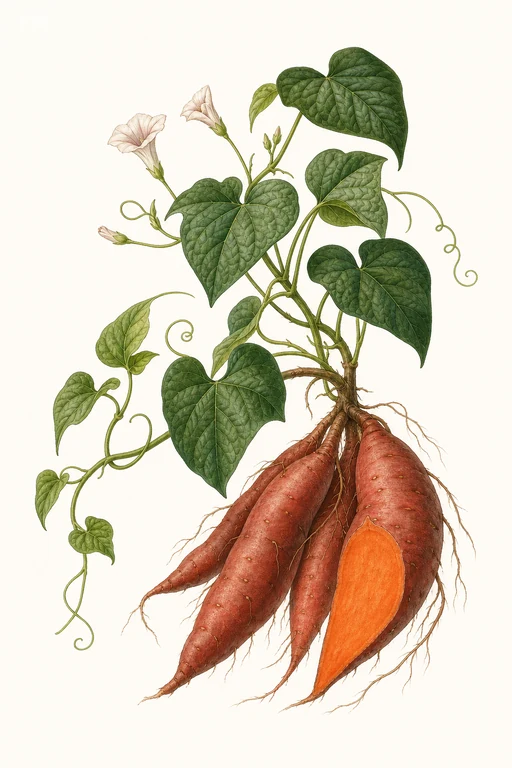
Velvety, sunset-orange flesh with a softly sweet, honeyed flavor—Redmar delivers a rich, spoon-tender bite that feels luxurious from the first forkful.
At maturity (about 95 days), its roots form with a smooth, coppery-red skin and a glowing interior that roasts to caramelized edges and stays beautifully creamy when baked or mashed. Grow Redmar for show-stopping color and dependable performance, ideal for creating vibrant orange purées, hearty casseroles, and tangy-sweet preserves.
Light: Full SunMaturity: 95 DaysHabit: Vine
Planting schedules and alerts are optimized for Columbus (Zone 6b).
Crop Dates
| Milestone | Date |
|---|---|
| Start Indoors | Direct Sow |
| Last Frost | Apr 25th |
| Transplant / Sow Outdoors | Apr 25th |
| Harvest Begins | Jul 29th |
| Harvest Ends | Oct 16th |
Crop Details
| Trait | Value |
|---|---|
| Days to Maturity | 95 |
| Sun Requirements | Full Sun |
| Growth Habit | Vine |
| Support Needed | None |
| Planting Depth | Normal |
| Germination Temp (°F) | 80 |
| Min Soil Temp (°F) | 65 |
| Min Night Temp (°F) | 55 |
| Harden Off (days) | 10 |
Culinary Notes

Chef's Note
Redmar’s honeyed sweetness and dense, creamy interior make it a spoon-food—bake or roast it until the edges caramelize, then let it go luxuriously smooth. It plays beautifully with bright citrus and warming spices that cut the richness and keep every bite from turning flat.

Best Uses
- roasted wedges that brown at the edges then mash into a silky side
- baked into an orange purée for lacquered Thanksgiving-style plates
- thick casseroles where it stays creamy instead of drying out
- tangy-sweet preserves or chutney-style spreads

Flavor Profile

Frequently Asked Questions
What pest or disease is most common on sweet potato (Ipomoea batatas), and how do I control it?
How often should I water sweet potato during the main growing phase (after slips establish)?
How can I tell when sweet potato (Ipomoea batatas) is ready to harvest at about 95 days?
Sowing Tips

Transplant Conditions
Wait until soil reaches 65°F and nights stay above 55°F before moving outdoors. Harden off for 10 days first.

Direct Sow Preferred
Sensitive roots — does not transplant well. If starting indoors, use biodegradable pots and disturb roots as little as possible when moving outdoors.
Expert Note

Start indoors on time but only transplant once soil is reliably warm (around 60°F+) to avoid cold-stunting, then keep consistent moisture to support early fruit color.