
Ribbon Series
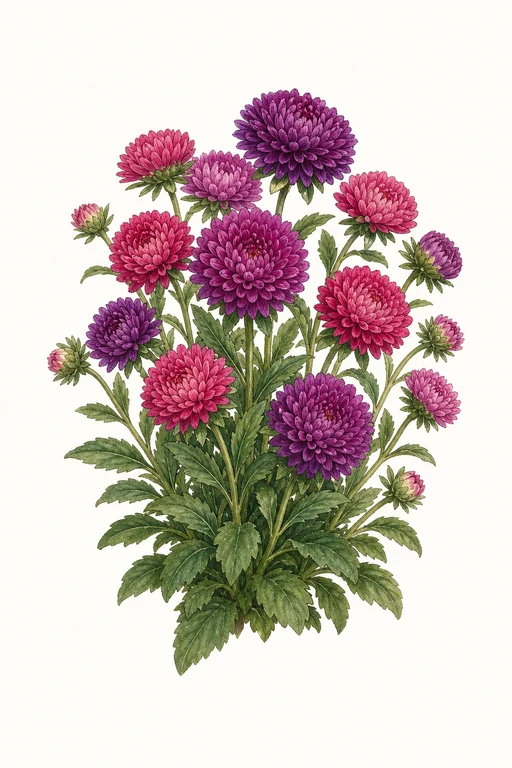
A ribbon of color in miniature—Ribbon Series Dwarf Double Aster blooms with densely layered, petal-packed rosettes that glow in the garden like satin confetti.
Expect a crisp, velvety texture and a lively range of shades that hold their form beautifully as the plants mature over about 70 days. Ideal for cut-flower displays and long-lasting bouquets, this compact annual brings instant, showy color to borders and sunny containers alike.
Light: Full SunMaturity: 70 DaysHabit: Bush
Planting schedules and alerts are optimized for Columbus (Zone 6b).
Crop Dates
| Milestone | Date |
|---|---|
| Start Indoors | Mar 21st |
| Last Frost | Apr 25th |
| Transplant / Sow Outdoors | Apr 25th |
| Harvest Begins | Jul 4th |
| Harvest Ends | Oct 16th |
Crop Details
| Trait | Value |
|---|---|
| Days to Maturity | 70 |
| Sun Requirements | Full Sun |
| Growth Habit | Bush |
| Support Needed | None |
| Planting Depth | Surface |
| Germination Temp (°F) | 70 |
| Min Soil Temp (°F) | 50 |
| Min Night Temp (°F) | 35 |
| Harden Off (days) | 5 |
Culinary Notes

Chef's Note
Even though is_edible is marked true, aster (Callistephus/asteraceae) isn’t a mainstream edible flower, and flavor/texture are notoriously inconsistent by variety and growing conditions. If you don’t have a trusted culinary source for this exact cultivar, treat it as a decorative garnish only and keep portions tiny.

Best Uses
- Edible-flower garnish only if you can verify the specific variety is intended for eating and is free of pesticide/chemicals
- Low-risk use: very sparingly on plated salads or desserts for color, not as a primary flavor

Flavor Profile
Frequently Asked Questions
What pest or disease is most common on Callistephus chinensis (aster-type annuals) and how do I manage it?
How often should I water Callistephus chinensis during the main growing phase?
How can I tell when my Ribbon Series Callistephus chinensis is ready to harvest?
Sowing Tips

Transplant Conditions
Wait until soil reaches 50°F and nights stay above 35°F before moving outdoors. Harden off for 5 days first.
Expert Note

Start seeds indoors early for a more even, earlier bloom set, but keep seedlings cool and well-lit to prevent leggy growth before transplanting.