
Rosalee
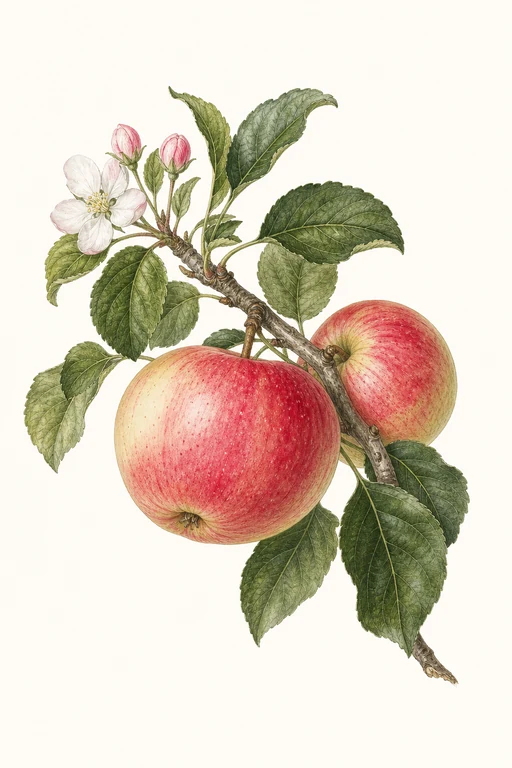
Crisp as a fresh-picked whisper, Rosalee apples bring a bright, rosy blush over a pale, sun-warmed base—aromatic, juicy, and unmistakably clean on the palate.
The flesh is fine-grained and snappy, with a balanced sweetness that shines whether you savor them straight from the tree or turn them into fragrant preserves and silky sauces. Grow Rosalee for a showy, garden-worthy harvest and a flavor that feels both classic and newly discovered in every bite.
Light: Full SunHabit: Shrub
Planting schedules and alerts are optimized for Columbus (Zone 6b).
Crop Dates
| Milestone | Date |
|---|---|
| Start Indoors | Direct Sow |
| Last Frost | Apr 25th |
| Transplant / Sow Outdoors | Apr 25th |
| Harvest Begins | Apr 25th |
| Harvest Ends | Oct 16th |
Crop Details
| Trait | Value |
|---|---|
| Days to Maturity | N/A |
| Sun Requirements | Full Sun |
| Growth Habit | Shrub |
| Support Needed | None |
| Planting Depth | Normal |
| Germination Temp (°F) | 65 |
| Min Soil Temp (°F) | 40 |
| Min Night Temp (°F) | 28 |
| Harden Off (days) | Not Required |
Culinary Notes

Chef's Note
Rosalee’s fine-grained, snappy flesh stays lively under chopping and slicing, so it won’t turn watery in a dressed bowl. Its rosy, clean sweetness is tailor-made for preserves and spoonable sauces—aromatic enough to stand on its own, but balanced so it plays well with rich meats and aged cheese.

Best Uses
- cold, fresh slicing for salads where you want crunch (not mealy collapse)
- fragrant preserves and jam where the aroma stays loud and the sweetness stays balanced
- silky applesauce that keeps a fresh, not-sour profile
- roasting with pork or duck to get jammy edges without turning the center woolly
- thin slices under sharp vinaigrettes or aged cheese where the apple stays crisp

Flavor Profile

Kitchen Pairings
Frequently Asked Questions
What pest or disease is most likely on Malus domestica (apple) and how do I control it?
How often should I water Malus domestica during the main growing phase, and what soil moisture level should I aim for?
How can I tell when Malus domestica apples are ready to harvest?
Sowing Tips

Transplant Conditions
Wait until soil reaches 40°F and nights stay above 28°F before moving outdoors.
Expert Note

For the sweetest, crispest fruit with good storage quality, plant in full sun and ensure you have compatible pollinizers within about 50–100 ft for cross-pollination.