
Roxbury Russet
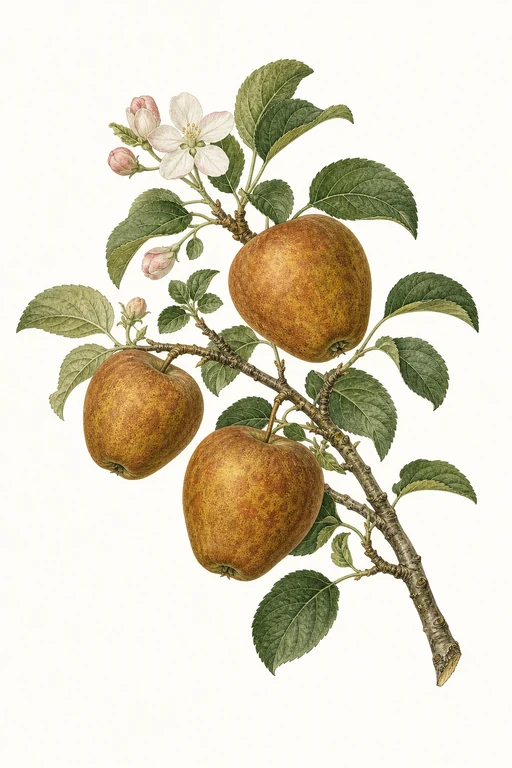
Aromatically rich and warmly russeted, Roxbury Russet brings a deep, earthy sweetness with a lightly tart edge—its flesh stays crisp and fine-grained for satisfying bite after bite.
The skin is a handsome patchwork of muted russet over a sun-kissed blush, developing beautifully in the home orchard and offering a classic, old-fashioned character that shines in autumn. Grow Roxbury Russet for fresh enjoyment and for making memorable cider and fragrant sauces that capture its distinctive, cellar-worthy flavor.
Light: Full SunMaturity: 120 DaysHabit: Shrub
Planting schedules and alerts are optimized for Columbus (Zone 6b).
Crop Dates
| Milestone | Date |
|---|---|
| Start Indoors | Direct Sow |
| Last Frost | Apr 25th |
| Transplant / Sow Outdoors | Apr 25th |
| Harvest Begins | Aug 23rd |
| Harvest Ends | Oct 16th |
Crop Details
| Trait | Value |
|---|---|
| Days to Maturity | 120 |
| Sun Requirements | Full Sun |
| Growth Habit | Shrub |
| Support Needed | None |
| Planting Depth | Normal |
| Germination Temp (°F) | 65 |
| Min Soil Temp (°F) | 50 |
| Min Night Temp (°F) | 30 |
| Harden Off (days) | 7 |
Culinary Notes

Chef's Note
Roxbury Russet tastes like autumn in a glass—warmly sweet but kept honest by a tart edge, and its fine-grained crispness holds up better than softer dessert apples. It’s the kind of apple that makes cider and pan reductions smell like a cellar door, then land with clean, biting texture on the tongue.

Best Uses
- fresh-eating slices with cheddar and nuts
- small-batch cider or hard cider with a cellar-like, warm finish
- quick pan sauces for pork or roast chicken (reduce until glossy)
- baking where you want chunks that stay structured, not mealy

Flavor Profile

Kitchen Pairings
Frequently Asked Questions
What pests or diseases most commonly affect Malus domestica (Roxbury Russet) and how can I control them at home?
How often should I water Roxbury Russet apple trees during the main growing phase?
How do I know when Roxbury Russet (Malus domestica) is ready to harvest?
Sowing Tips

Transplant Conditions
Wait until soil reaches 50°F and nights stay above 30°F before moving outdoors. Harden off for 7 days first.
Expert Note

For the best flavor and yields, plant in full sun with well-drained soil and ensure you have an appropriate pollinizer cultivar nearby.