
Royal Gala
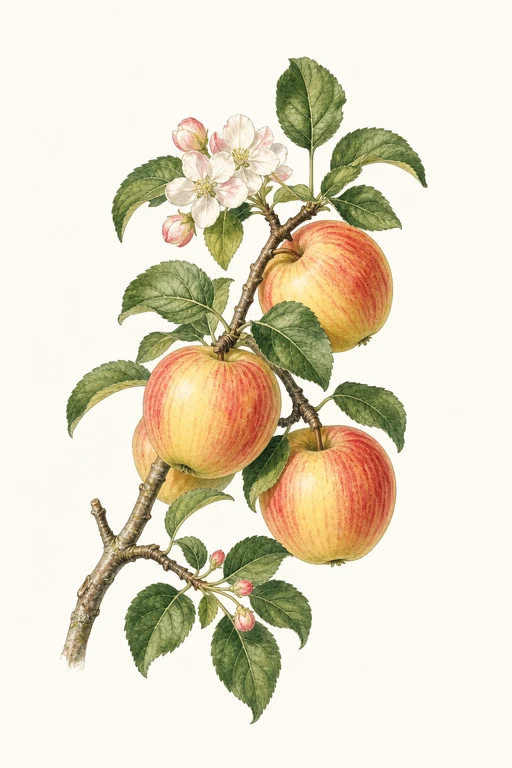
Crisp, honeyed snap meets a rosy blush—Royal Gala apples arrive with a luminous golden base and a warm, striped red jacket that looks as fresh as it tastes.
The flesh is fine-grained and tender-crisp, offering sweet orchard flavor with a gentle, fragrant lift that shines in every basket. Grow Royal Gala for standout fresh-eating appeal and for making smooth, fragrant sauces that capture its bright, aromatic character.
Light: Full SunMaturity: 160 DaysHabit: Shrub
Planting schedules and alerts are optimized for Columbus (Zone 6b).
Crop Dates
| Milestone | Date |
|---|---|
| Start Indoors | Direct Sow |
| Last Frost | Apr 25th |
| Transplant / Sow Outdoors | Apr 25th |
| Harvest Begins | Oct 2nd |
| Harvest Ends | Oct 16th |
Crop Details
| Trait | Value |
|---|---|
| Days to Maturity | 160 |
| Sun Requirements | Full Sun |
| Growth Habit | Shrub |
| Support Needed | None |
| Planting Depth | Normal |
| Germination Temp (°F) | 60 |
| Min Soil Temp (°F) | 50 |
| Min Night Temp (°F) | 28 |
| Harden Off (days) | 7 |
Culinary Notes

Chef's Note
Royal Gala’s fine-grained, tender-crisp bite is made for raw—its sweetness stays bright and aromatic, with enough lift to cut through salty fat. When cooked into a smooth sauce, it perfumes the pot without going heavy or cottony.

Best Uses
- thin slices on charcuterie boards (stays crisp, doesn’t drown)
- raw eating and lunchbox crunch with sharp cheddar
- quick sauté or roast for glossy edges without turning mealy
- smooth apple sauce that tastes perfumed and fragrant rather than flat

Flavor Profile

Kitchen Pairings
Frequently Asked Questions
What pest or disease is most likely on Malus domestica (apple) and how can I prevent or treat it?
How often should I water Malus domestica during the main growing phase?
How do I tell when Royal Gala apples (Malus domestica) are ready to harvest?
Sowing Tips

Transplant Conditions
Wait until soil reaches 50°F and nights stay above 28°F before moving outdoors. Harden off for 7 days first.
Expert Note

Plant apple trees in full sun with good airflow and keep the root flare at/above soil level; avoid fertilizer in the planting hole and mulch correctly to prevent collar rot.