
Sierra Gold
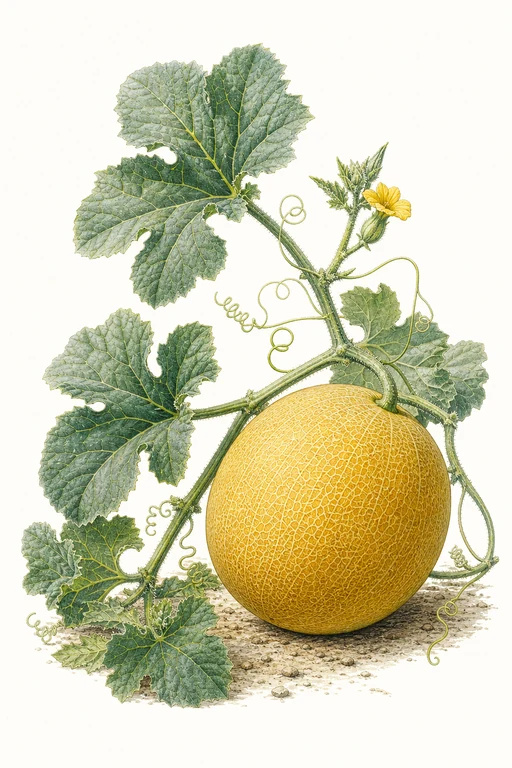
Sun-warmed and honey-bright, Sierra Gold cantaloupe delivers a fragrant, golden sweetness with a tender, juicy bite and a smooth, melting texture.
The fruit’s warm butter-yellow flesh is richly aromatic and ideal for fresh enjoyment, while its mellow flavor also shines in fruit-forward salsas and chilled drinks. Grow Sierra Gold for a golden harvest that feels like summer on the vine—vibrant, fragrant, and irresistibly luscious at maturity.
Light: Full SunMaturity: 80 DaysHabit: Vine
Planting schedules and alerts are optimized for Columbus (Zone 6b).
Crop Dates
| Milestone | Date |
|---|---|
| Start Indoors | Apr 11th |
| Last Frost | Apr 25th |
| Transplant / Sow Outdoors | Apr 25th |
| Harvest Begins | Jul 14th |
| Harvest Ends | Oct 16th |
Crop Details
| Trait | Value |
|---|---|
| Days to Maturity | 80 |
| Sun Requirements | Full Sun |
| Growth Habit | Vine |
| Support Needed | Trellis |
| Planting Depth | Normal |
| Germination Temp (°F) | 75 |
| Min Soil Temp (°F) | 65 |
| Min Night Temp (°F) | 55 |
| Harden Off (days) | 12 |
Culinary Notes

Chef's Note
Sierra Gold’s honey-bright fragrance and melting flesh make it less about heavy sweetness and more about aroma-forward eating—chill it briefly and let the melon perfume do the talking. It also holds up in quick salsas and blends because the texture turns silky rather than watery.

Best Uses
- cold fruit salsas with lime and a pinch of salt
- chilled drinks—blend with yogurt or coconut water for a silky finish
- fresh slices for a warm-weather fruit course where the aroma leads
- quick cantaloupe carpaccio with a light citrus dressing

Flavor Profile

Kitchen Pairings
Frequently Asked Questions
What pest or disease most commonly affects Cucumis melo (Sierra Gold), and how can I manage it?
How often should I water Cucumis melo during the main growing phase, and what soil moisture level should I aim for?
How can I tell when Sierra Gold (Cucumis melo) is ready to harvest?
Sowing Tips

Transplant Conditions
Wait until soil reaches 65°F and nights stay above 55°F before moving outdoors. Harden off for 12 days first.

Direct Sow Preferred
Sensitive roots — does not transplant well. If starting indoors, use biodegradable pots and disturb roots as little as possible when moving outdoors.
Expert Note

For the sweetest cantaloupe, wait to transplant only when soil is reliably warm and keep vines evenly moist (avoid heavy late nitrogen).