
Sierra
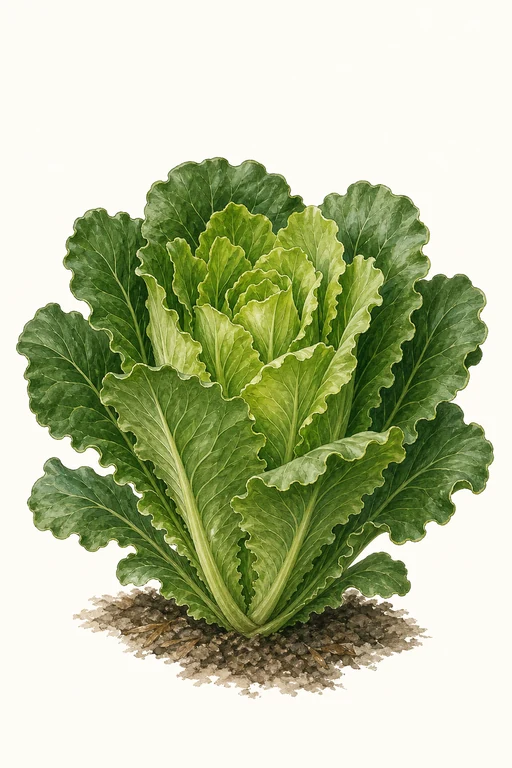
Sweet, cool crunch leads the way with Sierra—an inviting summer crisp lettuce whose leaves unfurl in a fresh, airy rosette and hold their snap with remarkable steadiness.
Expect a tender, juicy texture and a clean, mild flavor that shines in bright salads and quick tosses, with leaves that stay crisp even as temperatures rise. Grow Sierra for a dependable 55-day harvest and a lush, garden-fresh centerpiece of green.
Light: Part SunMaturity: 55 DaysHabit: Rosette
Location not set yet
Location not set yet
Enter your ZIP for local crop dates
Sierra Planting Dates by USDA Zone
Estimated US hardiness-zone windows for sow, transplant, and harvest. Enter a US ZIP above for exact local dates, or open a zone below.
| Zone | Start Indoors | Sow / Transplant | Harvest |
|---|---|---|---|
| Zone 1a | Protected Environment Only | ||
| Zone 1b | May 4th | Jun 1st | Jul 26th – Aug 1st |
| Zone 2a | Apr 27th | May 25th | Jul 19th – Aug 29th |
| Zone 2b | Apr 17th | May 15th | Jul 9th – Aug 25th |
| Zone 3a | Apr 17th | May 15th | Jul 9th – Sep 1st |
| Zone 3b | Apr 21st | May 19th | Jul 13th – Sep 21st |
| Zone 4a | Apr 17th | May 15th | Jul 9th – Sep 24th |
| Zone 4b | Apr 15th | May 13th | Jul 7th – Sep 27th |
| Zone 5a | Apr 10th | May 8th | Jul 2nd – Sep 30th |
| Zone 5b | Apr 6th | May 4th | Jun 28th – Oct 5th |
| Zone 6a | Apr 3rd | May 1st | Jun 25th – Oct 10th |
| Zone 6b | Mar 28th | Apr 25th | Jun 19th – Oct 16th |
| Zone 7a | Mar 23rd | Apr 20th | Jun 14th – Oct 20th |
| Zone 7b | Mar 13th | Apr 10th | Jun 4th – Oct 28th |
| Zone 8a | Mar 4th | Apr 1st | May 26th – Nov 5th |
| Zone 8b | Feb 23rd | Mar 23rd | May 17th – Nov 12th |
| Zone 9a | Feb 6th | Mar 6th | Apr 30th – Nov 26th |
| Zone 9b | Jan 12th | Feb 9th | Apr 5th – Dec 9th |
| Zone 10a | — | Oct 1st | Nov 25th – Feb 28th |
| Zone 10b | — | Oct 1st | Nov 25th – Feb 28th |
| Zone 11a | — | Oct 1st | Nov 25th – Feb 28th |
| Zone 11b | — | Oct 1st | Nov 25th – Feb 28th |
| Zone 12a | — | Oct 1st | Nov 25th – Feb 28th |
| Zone 12b | — | Oct 1st | Nov 25th – Feb 28th |
| Zone 13a | — | Oct 1st | Nov 25th – Feb 28th |
| Zone 13b | — | Oct 1st | Nov 25th – Feb 28th |
Crop Details
| Trait | Value |
|---|---|
| Days to Maturity | 55 |
| Sun Requirements | Part Sun |
| Growth Habit | Rosette |
| Support Needed | None |
| Planting Depth | Surface |
| Germination Temp (°F) | 70 |
| Min Soil Temp (°F) | 40 |
| Min Night Temp (°F) | 35 |
| Harden Off (days) | 5 |
Culinary Notes

Chef's Note
Sierra’s steady crispness is the whole point—juicy leaves that don’t collapse when the day warms up, so they stay bright under a quick vinaigrette. It’s mild enough to play nice with salty cheeses and grilled proteins, but juicy enough to keep a clean bite in slaws and fresh tosses.

Best Uses
- toss-and-serve summer salads that need to hold crunch
- simple lettuce wraps or crunchy base for handhelds
- quick charmless plating with bright vinaigrettes
- shredded into slaws where you want watery snap

Flavor Profile

Kitchen Pairings
Frequently Asked Questions
What pest or disease most often affects Cynara scolymus (artichoke) in home gardens, and how can I manage it?
During the main growing phase, how often should I water Cynara scolymus and what soil moisture level does it need?
How can I tell when Cynara scolymus is ready to harvest?
Sowing Tips

Transplant Conditions
Wait until soil reaches 40°F and nights stay above 35°F before moving outdoors. Harden off for 5 days first.
Expert Note

Even though Sierra is heat-tolerant, keep it consistent-moist and provide afternoon shade or row cover in hot spells to extend crisp growth and prevent bolting.