
SnapDragon
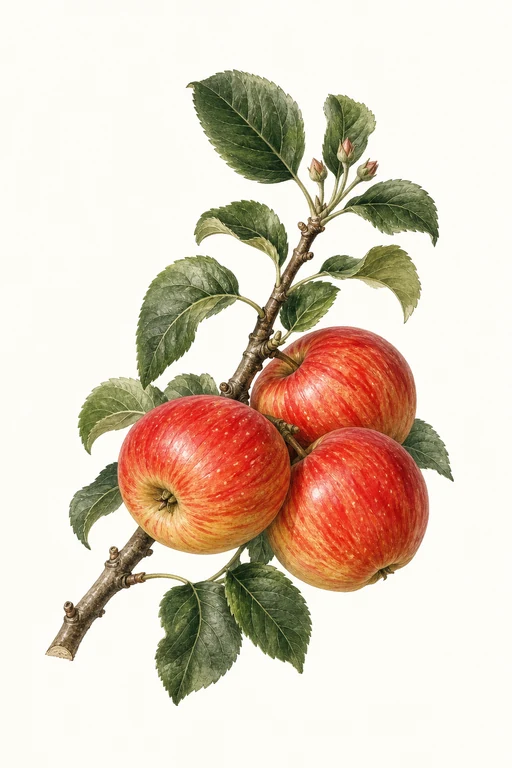
Crisp as a cool morning breeze, SnapDragon apples burst with a bright, snap-forward bite and a lively balance of sweet-tart flavor.
The flesh stays pleasantly firm and juicy, making each orchard-fresh apple a standout for fresh enjoyment and for turning into fragrant sauces and preserves. Grow SnapDragon for a season-long harvest rhythm and a tree that rewards attention with glossy fruit and bold, eye-catching color at maturity.
Light: Full SunMaturity: 90 DaysHabit: Shrub
Location not set yet
Location not set yet
Enter your ZIP for local crop dates
SnapDragon Planting Dates by USDA Zone
Estimated US hardiness-zone windows for sow, transplant, and harvest. Enter a US ZIP above for exact local dates, or open a zone below.
| Zone | Start Indoors | Sow / Transplant | Harvest |
|---|---|---|---|
| Zone 1a | Direct Sow | Jun 15th | Sep 13th – Jul 15th |
| Zone 1b | Direct Sow | Jun 1st | Aug 30th – Aug 1st |
| Zone 2a | Direct Sow | May 25th | Aug 23rd – Aug 29th |
| Zone 2b | Direct Sow | May 15th | Aug 13th – Aug 25th |
| Zone 3a | Direct Sow | May 15th | Aug 13th – Sep 1st |
| Zone 3b | Direct Sow | May 19th | Aug 17th – Sep 21st |
| Zone 4a | Direct Sow | May 15th | Aug 13th – Sep 24th |
| Zone 4b | Direct Sow | May 13th | Aug 11th – Sep 27th |
| Zone 5a | Direct Sow | May 8th | Aug 6th – Sep 30th |
| Zone 5b | Direct Sow | May 4th | Aug 2nd – Oct 5th |
| Zone 6a | Direct Sow | May 1st | Jul 30th – Oct 10th |
| Zone 6b | Direct Sow | Apr 25th | Jul 24th – Oct 16th |
| Zone 7a | Direct Sow | Apr 20th | Jul 19th – Oct 20th |
| Zone 7b | Direct Sow | Apr 10th | Jul 9th – Oct 28th |
| Zone 8a | Direct Sow | Apr 1st | Jun 30th – Nov 5th |
| Zone 8b | Direct Sow | Mar 23rd | Jun 21st – Nov 12th |
| Zone 9a | Direct Sow | Mar 6th | Jun 4th – Nov 26th |
| Zone 9b | Direct Sow | Feb 9th | May 10th – Dec 9th |
| Zone 10a | — | Oct 1st | Dec 30th – Feb 28th |
| Zone 10b | — | Oct 1st | Dec 30th – Feb 28th |
| Zone 11a | — | Oct 1st | Dec 30th – Feb 28th |
| Zone 11b | — | Oct 1st | Dec 30th – Feb 28th |
| Zone 12a | — | Oct 1st | Dec 30th – Feb 28th |
| Zone 12b | — | Oct 1st | Dec 30th – Feb 28th |
| Zone 13a | — | Oct 1st | Dec 30th – Feb 28th |
| Zone 13b | — | Oct 1st | Dec 30th – Feb 28th |
Crop Details
| Trait | Value |
|---|---|
| Days to Maturity | 90 |
| Sun Requirements | Full Sun |
| Growth Habit | Shrub |
| Support Needed | None |
| Planting Depth | Normal |
| Germination Temp (°F) | 65 |
| Min Soil Temp (°F) | 50 |
| Min Night Temp (°F) | 35 |
| Harden Off (days) | Not Required |
Culinary Notes

Chef's Note
SnapDragon’s high-juice, snap-forward structure makes it ideal where you want apple to stay crisp under handling—shaved, dressed, or lightly warmed without turning mealy. That bright sweet-tart lift also plays perfectly with salty fats like cheddar or pork, and with honey-cinnamon for desserts that taste awake, not cooked-down.

Best Uses
- thin slices for slaws and cabbage salads where the apple shouldn’t collapse
- eating fresh chilled—unapologetically crisp bite straight off the core
- quick pan-caramel apple compote that stays textured instead of stewing
- fragrant apple preserves with good set thanks to firmer flesh

Flavor Profile

Kitchen Pairings
Frequently Asked Questions
What pest or disease commonly affects Malus domestica (apple/SnapDragon), and how do I treat it?
How often should I water Malus domestica during active growth, and what soil moisture level should I maintain?
How can I tell when Malus domestica is ready to harvest (SnapDragon)?
Sowing Tips

Transplant Conditions
Wait until soil reaches 50°F and nights stay above 35°F before moving outdoors.
Expert Note

For home gardens, plant grafted apple trees (not seed) and choose a site with full sun plus well-drained soil; most cultivars need cross-pollination from another compatible apple variety.