
Soba
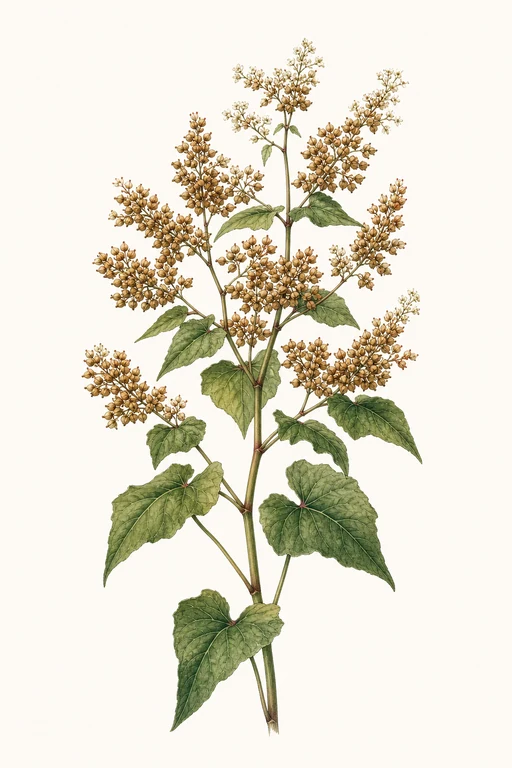
Aromatic, nutty buckwheat “Soba” fills the air with a warm, toasted fragrance as the grains mature—small, triangular seeds that promise a rich, earthy depth.
Expect a hearty, slightly chewy texture with a clean, savory finish that shines in traditional soba-style preparations and grain bowls alike. Grow Soba for a dependable cool-season crop that delivers flavorful harvests for steaming, simmering, and hearty blends.
Light: Full SunMaturity: 75 DaysHabit: Upright
Planting schedules and alerts are optimized for Columbus (Zone 6b).
Crop Dates
| Milestone | Date |
|---|---|
| Start Indoors | Direct Sow |
| Last Frost | Apr 25th |
| Transplant / Sow Outdoors | Apr 25th |
| Harvest Begins | Jul 9th |
| Harvest Ends | Oct 16th |
Crop Details
| Trait | Value |
|---|---|
| Days to Maturity | 75 |
| Sun Requirements | Full Sun |
| Growth Habit | Upright |
| Support Needed | None |
| Planting Depth | Surface |
| Germination Temp (°F) | 65 |
| Min Soil Temp (°F) | 55 |
| Min Night Temp (°F) | 40 |
| Harden Off (days) | Not Required |
Culinary Notes

Chef's Note
This buckwheat “soba” is built for chew: it holds a springy bite and carries that toasted, nutty aroma straight into the bowl. Use it with clean, salty-savory broths and sharp vinegar/sesame notes so the earthy finish lands crisp, not heavy.

Best Uses
- cold soba noodles with a soy-dashi dipping sauce
- hot soba in a clear simmered broth (less starch-slick, more aromatic)
- grain-bowl base with roasted vegetables and a sesame-forward dressing
- rustic porridge or thickened soup with a spoonable, chewy texture

Flavor Profile

Kitchen Pairings
Frequently Asked Questions
What pest or disease commonly affects Fagopyrum esculentum (soba) and how can I control it?
How often should I water soba during its main growing phase, and what soil moisture level should I aim for?
How do I know when to harvest soba (Fagopyrum esculentum)?
Sowing Tips

Transplant Conditions
Wait until soil reaches 55°F and nights stay above 40°F before moving outdoors.
Expert Note

For best milling-quality groats/seeds, keep buckwheat well-watered early, then avoid excessive nitrogen to prevent overly lush growth.