
Spark
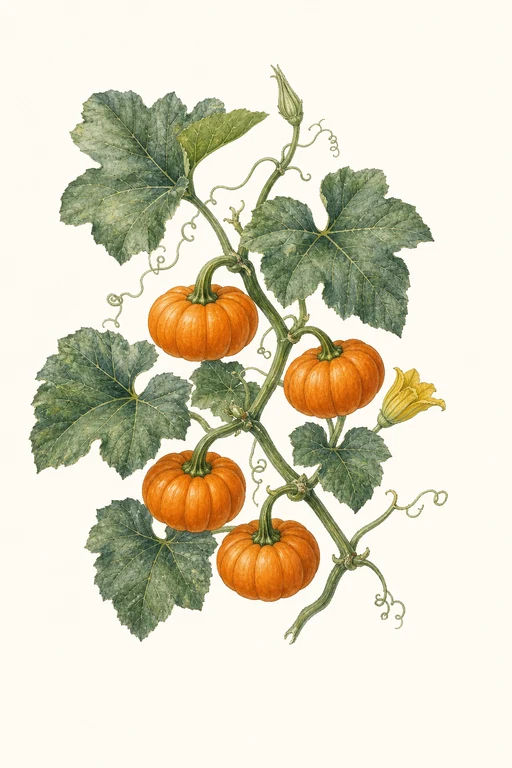
Aromas of sun-warmed squash rise from the garden as Spark’s miniature pumpkins ripen to a vivid, lantern-bright glow—sweet, rich, and pleasantly nutty.
The fruits are compact and firm with a smooth, satin-skinned rind that deepens in color as the season turns, holding their shape beautifully for roasting and hearty autumn preparations. Grow Spark for showy, harvest-ready color and for versatile use in seasonal roasts, purées, and spiced preserves—an edible centerpiece that’s as satisfying to grow as it is to serve.
Light: Full SunMaturity: 95 DaysHabit: Vine
Location not set yet
Location not set yet
Enter your ZIP for local crop dates
Spark Planting Dates by USDA Zone
Estimated US hardiness-zone windows for sow, transplant, and harvest. Enter a US ZIP above for exact local dates, or open a zone below.
| Zone | Start Indoors | Sow / Transplant | Harvest |
|---|---|---|---|
| Zone 1a | Protected Environment Only | ||
| Zone 1b | Protected Environment Only | ||
| Zone 2a | Jul 6th | Jul 20th | Oct 23rd – Aug 29th |
| Zone 2b | Jun 26th | Jul 10th | Oct 13th – Aug 25th |
| Zone 3a | Jun 26th | Jul 10th | Oct 13th – Sep 1st |
| Zone 3b | Jun 30th | Jul 14th | Oct 17th – Sep 21st |
| Zone 4a | Jun 26th | Jul 10th | Oct 13th – Sep 24th |
| Zone 4b | Jun 24th | Jul 8th | Oct 11th – Sep 27th |
| Zone 5a | Jun 19th | Jul 3rd | Oct 6th – Sep 30th |
| Zone 5b | Jun 15th | Jun 29th | Oct 2nd – Oct 5th |
| Zone 6a | Jun 12th | Jun 26th | Sep 29th – Oct 10th |
| Zone 6b | Jun 6th | Jun 20th | Sep 23rd – Oct 16th |
| Zone 7a | Jun 1st | Jun 15th | Sep 18th – Oct 20th |
| Zone 7b | May 22nd | Jun 5th | Sep 8th – Oct 28th |
| Zone 8a | May 13th | May 27th | Aug 30th – Nov 5th |
| Zone 8b | May 4th | May 18th | Aug 21st – Nov 12th |
| Zone 9a | Apr 17th | May 1st | Aug 4th – Nov 26th |
| Zone 9b | Mar 23rd | Apr 6th | Jul 10th – Dec 9th |
| Zone 10a | Continuous Production | ||
| Zone 10b | Continuous Production | ||
| Zone 11a | Continuous Production | ||
| Zone 11b | Continuous Production | ||
| Zone 12a | Continuous Production | ||
| Zone 12b | Continuous Production | ||
| Zone 13a | Continuous Production | ||
| Zone 13b | Continuous Production | ||
Crop Details
| Trait | Value |
|---|---|
| Days to Maturity | 95 |
| Sun Requirements | Full Sun |
| Growth Habit | Vine |
| Support Needed | Trellis |
| Planting Depth | Normal |
| Germination Temp (°F) | 70 |
| Min Soil Temp (°F) | 70 |
| Min Night Temp (°F) | 55 |
| Harden Off (days) | 12 |
Culinary Notes

Chef's Note
These miniature fruits are built for high-heat cooking: their firm, shape-holding flesh caramelizes on the outside while going luxuriously soft where the cube meets the pan. Use them like you would a small roasting squash—thick purées, jammy spice preserves, or a tight, flavorful center that doesn’t collapse into watery pulp.

Best Uses
- cubed roasting for caramelized, cube-hugging edges
- roasted purée for thick, spoonable autumn sauces
- spiced preserves or jammy chutney-style spreads
- stuffed mini-pumpkin halves for a showy oven centerpiece

Flavor Profile

Frequently Asked Questions
What pest or disease most commonly affects Cucurbita pepo (squash types like “Spark”), and what should I do if I see it?
How often should I water Cucurbita pepo during the main growing phase?
How can I tell when Cucurbita pepo (about 95 days) is ready to harvest?
Sowing Tips

Transplant Conditions
Wait until soil reaches 70°F and nights stay above 55°F before moving outdoors. Harden off for 12 days first.

Direct Sow Preferred
Sensitive roots — does not transplant well. If starting indoors, use biodegradable pots and disturb roots as little as possible when moving outdoors.
Expert Note

For the sweetest, best-shaped small fruit, keep soil evenly moist and give plenty of space so vines aren’t crowded.