
Spartan
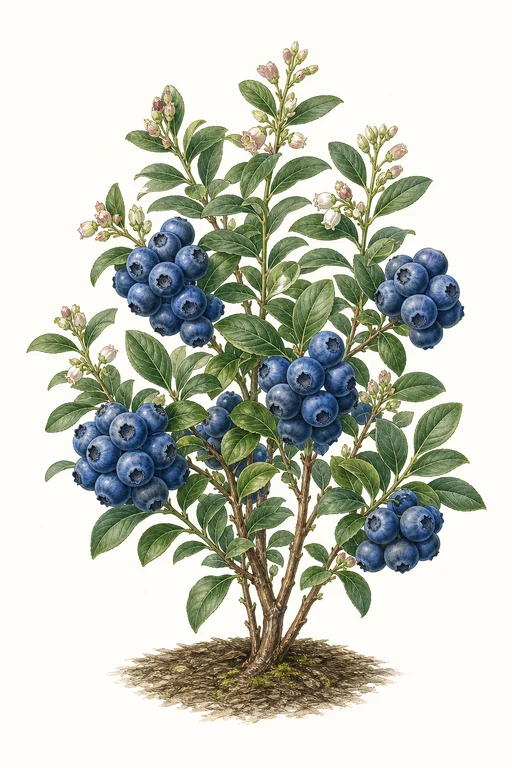
Bursting with a cool, blueberry-sweet fragrance, Spartan brings you glossy berries that ripen to a rich, true blue with a silvery bloom.
The fruit is firm yet juicy, delivering a satisfying snap in every handful and a bright, tangy finish that stays vivid in the bowl. Grow Spartan for fresh snacking, or for making bold preserves, sauces, and pies that showcase its clean, berry-forward flavor.
Light: Full SunMaturity: 60 DaysHabit: Shrub
Planting schedules and alerts are optimized for Columbus (Zone 6b).
Crop Dates
| Milestone | Date |
|---|---|
| Start Indoors | Direct Sow |
| Last Frost | Apr 25th |
| Transplant / Sow Outdoors | Apr 25th |
| Harvest Begins | Jun 24th |
| Harvest Ends | Oct 16th |
Crop Details
| Trait | Value |
|---|---|
| Days to Maturity | 60 |
| Sun Requirements | Full Sun |
| Growth Habit | Shrub |
| Support Needed | None |
| Planting Depth | Normal |
| Germination Temp (°F) | 65 |
| Min Soil Temp (°F) | 45 |
| Min Night Temp (°F) | 28 |
| Harden Off (days) | Not Required |
Culinary Notes

Chef's Note
Spartan blueberries give you that high-contrast hit—sweet nose, juicy snap, then a tang that keeps everything awake in the bowl. Use a light hand with heat so they stay intact and glossy, and they’ll taste distinctly like blueberries rather than “generic berry.”

Best Uses
- fresh snacking and fruit bowls where the berries hold shape
- quick-stir microwave or stovetop preserves that stay bright (minimal cooking)
- skyline-thick blueberry pies/galettes where the fruit doesn’t turn to mush
- pan sauces for pork or duck—reduced until glossy and tart

Flavor Profile

Kitchen Pairings
Frequently Asked Questions
What pest or disease most commonly affects highbush blueberry (Vaccinium corymbosum) and what should I do?
How often should I water Vaccinium corymbosum during the main growing phase?
How can I tell when my Vaccinium corymbosum is ready to harvest?
Sowing Tips

Transplant Conditions
Wait until soil reaches 45°F and nights stay above 28°F before moving outdoors.
Expert Note

For highbush blueberry, prioritize acidic soil (pH ~4.5–5.5) and consistent moisture rather than timing—early cultivars still rely on proper soil conditions and established roots.