
Speckled Hound
Sink your senses into Speckled Hound’s rich, nutty sweetness—its warm, golden flesh promises a velvety bite with a gently dry, spoonable texture once fully matured.
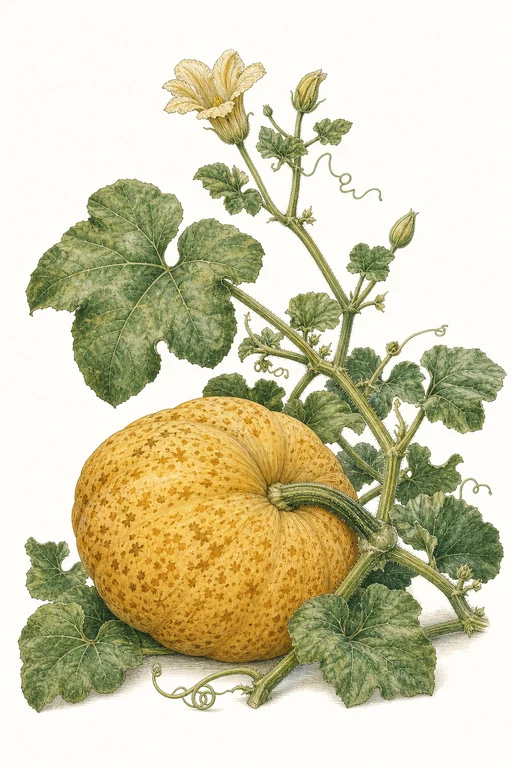
The rind wears a handsome pattern of mottled, speckled markings over a deep buttercup base, giving each fruit a distinctive, heirloom look in the garden. Grow it for standout roasting-worthy squash flavor and for hearty purées and thick, autumnal sauces that showcase its naturally robust character.
Light: Full SunMaturity: 95 DaysHabit: Vine
Location not set yet
Location not set yet
Enter your ZIP for local crop dates
Speckled Hound Planting Dates by USDA Zone
Estimated US hardiness-zone windows for sow, transplant, and harvest. Enter a US ZIP above for exact local dates, or open a zone below.
| Zone | Start Indoors | Sow / Transplant | Harvest |
|---|---|---|---|
| Zone 1a | Protected Environment Only | ||
| Zone 1b | Protected Environment Only | ||
| Zone 2a | Direct Sow | Jun 8th | Sep 11th – Aug 29th |
| Zone 2b | Direct Sow | May 29th | Sep 1st – Aug 25th |
| Zone 3a | Direct Sow | May 29th | Sep 1st – Sep 1st |
| Zone 3b | Direct Sow | Jun 2nd | Sep 5th – Sep 21st |
| Zone 4a | Direct Sow | May 29th | Sep 1st – Sep 24th |
| Zone 4b | Direct Sow | May 27th | Aug 30th – Sep 27th |
| Zone 5a | Direct Sow | May 22nd | Aug 25th – Sep 30th |
| Zone 5b | Direct Sow | May 18th | Aug 21st – Oct 5th |
| Zone 6a | Direct Sow | May 15th | Aug 18th – Oct 10th |
| Zone 6b | Direct Sow | May 9th | Aug 12th – Oct 16th |
| Zone 7a | Direct Sow | May 4th | Aug 7th – Oct 20th |
| Zone 7b | Direct Sow | Apr 24th | Jul 28th – Oct 28th |
| Zone 8a | Direct Sow | Apr 15th | Jul 19th – Nov 5th |
| Zone 8b | Direct Sow | Apr 6th | Jul 10th – Nov 12th |
| Zone 9a | Direct Sow | Mar 20th | Jun 23rd – Nov 26th |
| Zone 9b | Direct Sow | Feb 23rd | May 29th – Dec 9th |
| Zone 10a | Continuous Production | ||
| Zone 10b | Continuous Production | ||
| Zone 11a | Continuous Production | ||
| Zone 11b | Continuous Production | ||
| Zone 12a | Continuous Production | ||
| Zone 12b | Continuous Production | ||
| Zone 13a | Continuous Production | ||
| Zone 13b | Continuous Production | ||
Crop Details
| Trait | Value |
|---|---|
| Days to Maturity | 95 |
| Sun Requirements | Full Sun |
| Growth Habit | Vine |
| Support Needed | Trellis |
| Planting Depth | Normal |
| Germination Temp (°F) | 75 |
| Min Soil Temp (°F) | 65 |
| Min Night Temp (°F) | 55 |
| Harden Off (days) | 10 |
Culinary Notes

Chef's Note
Fully matured Speckled Hound leans dry and dense enough to turn into a thick, spoonable puree rather than a watery mash—exactly why it roasts so well. The nutty sweetness loves brown butter and sage, and it reduces beautifully into a sauce that coats pasta without thinning out.

Best Uses
- roasting until caramelized at the edges, then mashing straight for a spoonable puree
- thick autumn purées for gnocchi, ravioli filling, or grain bowls
- slow-simmered squash sauce that reduces to a glossy, nappe-ready coating
- baked squash soup where it thickens without flour

Flavor Profile

Frequently Asked Questions
What’s the most common Cucurbita maxima pest or disease I should watch for, and how do I manage it?
How often should I water Cucurbita maxima during peak growth, and what soil moisture level should I maintain?
How can I tell when speckled Cucurbita maxima fruit is ready to harvest?
Sowing Tips

Transplant Conditions
Wait until soil reaches 65°F and nights stay above 55°F before moving outdoors. Harden off for 10 days first.

Direct Sow Preferred
Sensitive roots — does not transplant well. If starting indoors, use biodegradable pots and disturb roots as little as possible when moving outdoors.
Expert Note

For the sweetest flavor and best rind, give it full sun and let the fruits fully mature on the vine before curing.