
Strawberry Blonde
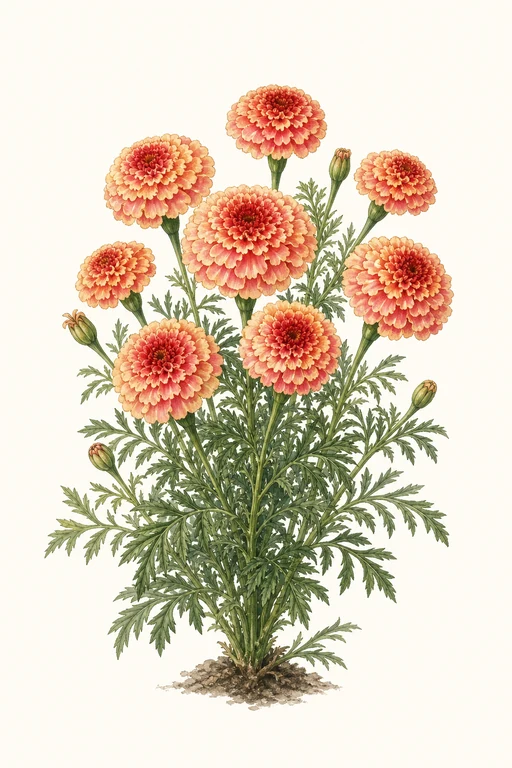
Strawberry Blonde blooms like a sunrise caught in velvet—warm apricot and blush-pink petals edged with a soft, strawberry-red glow that deepens toward the center.
The flowers are compact and richly layered, with a tidy, bushy habit that keeps color steady from early summer through the first cool days. Grow Strawberry Blonde for its showy, long-lasting ornamental display and its companion-plant charm in the garden border and mixed beds.
Light: Full SunMaturity: 70 DaysHabit: Upright
Planting schedules and alerts are optimized for Columbus (Zone 6b).
Crop Dates
| Milestone | Date |
|---|---|
| Start Indoors | Mar 14th |
| Last Frost | Apr 25th |
| Transplant / Sow Outdoors | Jun 20th |
| Harvest Begins | Aug 29th |
| Harvest Ends | Oct 16th |
Crop Details
| Trait | Value |
|---|---|
| Days to Maturity | 70 |
| Sun Requirements | Full Sun |
| Growth Habit | Upright |
| Support Needed | None |
| Planting Depth | Normal |
| Germination Temp (°F) | 70 |
| Min Soil Temp (°F) | 60 |
| Min Night Temp (°F) | 50 |
| Harden Off (days) | 7 |
Culinary Notes

Chef's Note
Edible petals only—this kind of marigold bloom reads more like fragrant citrus and strawberry perfume than a heavy spice, so use it as a last-minute finish so the delicate bitterness doesn’t get harsh. You’ll taste it most clearly when cold or lightly dressed, not cooked into long reductions.

Best Uses
- fresh-plated garnish that hits with color and aroma
- finishing petals in salads for a light tang
- steeping into simple syrups or honey infusions for floral-sherbet vibes
- ice-cold drinks where the flavor stays delicate

Flavor Profile

Kitchen Pairings
Frequently Asked Questions
What’s the most common pest or disease on Tagetes patula (marigold) and how do I fix it?
How often should I water Tagetes patula during the main growing phase (once established)?
How do I tell when Tagetes patula is ready to harvest?
Sowing Tips

Transplant Conditions
Wait until soil reaches 60°F and nights stay above 50°F before moving outdoors. Harden off for 7 days first.
Expert Note

For the best color and fewer legginess, grow in full sun and avoid over-fertilizing—blooms are strongest with moderate nutrition.