
SugarBee
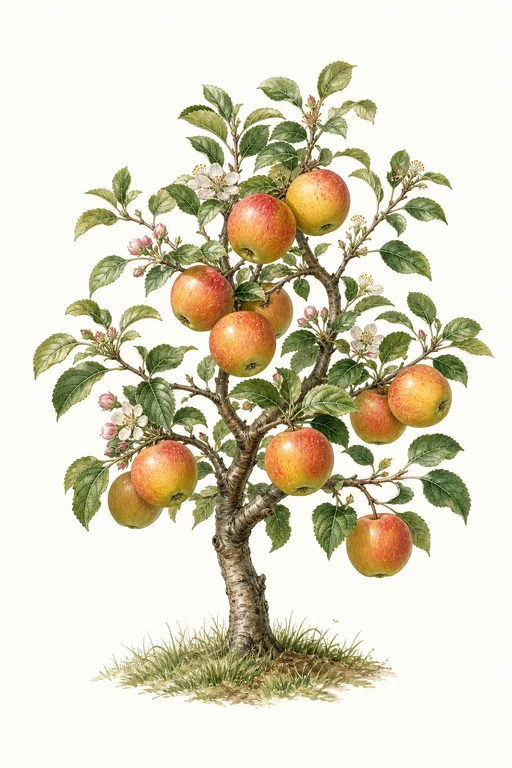
Crisp as fresh fallen snow, SugarBee apples burst with a honeyed sweetness and a bright, juicy snap that lingers on the palate.
The fruit’s fine-grained texture and balanced flavor shine for fresh enjoyment, while their aromatic character makes them especially inviting for preserves and cider-style uses. Grow SugarBee for a tree that rewards the season with glossy, sun-kissed apples you’ll look forward to picking again and again.
Light: Full SunHabit: Shrub
Planting schedules and alerts are optimized for Columbus (Zone 6b).
Crop Dates
| Milestone | Date |
|---|---|
| Start Indoors | Direct Sow |
| Last Frost | Apr 25th |
| Transplant / Sow Outdoors | Apr 25th |
| Harvest Begins | Apr 25th |
| Harvest Ends | Oct 16th |
Crop Details
| Trait | Value |
|---|---|
| Days to Maturity | N/A |
| Sun Requirements | Full Sun |
| Growth Habit | Shrub |
| Support Needed | None |
| Planting Depth | Normal |
| Germination Temp (°F) | 60 |
| Min Soil Temp (°F) | 40 |
| Min Night Temp (°F) | 28 |
| Harden Off (days) | Not Required |
Culinary Notes

Chef's Note
SugarBee’s honeyed sweetness and bright bite make it a standout for raw slicing—it stays crisp and aromatic rather than collapsing into mush. If you cook it, go with fast, controlled heat (preserves or cider-style reductions) so the fruit’s perfume doesn’t fade into caramel-y heaviness.

Best Uses
- fresh eating and cheese boards where the slices stay snappy
- short-cook preserves that keep a clean apple aroma
- cider-style drinks and shrub-like reductions
- apple slices for salads that hold vinaigrette without turning mealy

Flavor Profile

Kitchen Pairings
Frequently Asked Questions
What are common pests or diseases on Malus domestica (apple) and what should I do?
How often should I water Malus domestica during the main growing season?
How can I tell when Malus domestica (apples) are ready to harvest?
Sowing Tips

Transplant Conditions
Wait until soil reaches 40°F and nights stay above 28°F before moving outdoors.
Expert Note

Plant grafted apple trees in full sun with well-drained soil and plan on fruiting only after establishment (often 2–4 years).