
Sugarloaf
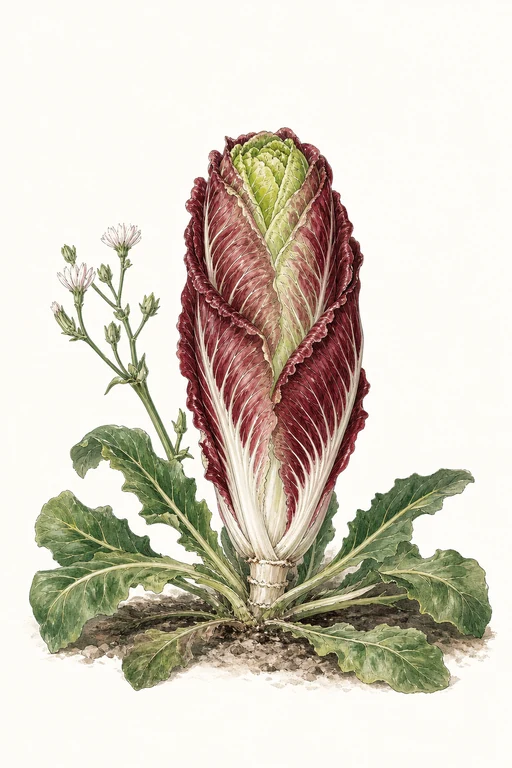
Silken, tightly folded heads of Sugarloaf radicchio glow in the garden with a cool, luminous green heart wrapped in deep ruby-red outer leaves.
The flavor is pleasantly sweet at first, then turns pleasantly bitter with a clean, lingering snap—ideal for roasting until edges caramelize and for fresh salads where the crisp leaves hold their shape. Grow Sugarloaf for bold, architectural heads that mature in about 75 days, delivering a striking centerpiece greens crop with a refined, restaurant-ready bite.
Light: Full SunMaturity: 75 DaysHabit: Rosette
Planting schedules and alerts are optimized for Columbus (Zone 6b).
Crop Dates
| Milestone | Date |
|---|---|
| Start Indoors | Direct Sow |
| Last Frost | Apr 25th |
| Transplant / Sow Outdoors | Apr 25th |
| Harvest Begins | Jul 9th |
| Harvest Ends | Oct 16th |
Crop Details
| Trait | Value |
|---|---|
| Days to Maturity | 75 |
| Sun Requirements | Full Sun |
| Growth Habit | Rosette |
| Support Needed | None |
| Planting Depth | Surface |
| Germination Temp (°F) | 45 |
| Min Soil Temp (°F) | 40 |
| Min Night Temp (°F) | 28 |
| Harden Off (days) | Not Required |
Culinary Notes

Chef's Note
Sugarloaf’s tight, silken folds deliver a clean snap and a sweet-to-bitter arc that loves heat—roasting turns the outer leaves glossy and caramel-edged while the core stays structured. In raw applications, dress it lightly so the bitterness reads elegant instead of harsh, with salt, fat, and acid doing the balancing work.

Best Uses
- roast in wedges until edges caramelize and outer leaves go lacquered-tender
- shave into salads where the leaves stay crisp under vinaigrette
- grill or pan-sear cut sides for bitter-sweet char and a juicy core

Flavor Profile

Kitchen Pairings
Frequently Asked Questions
What pest or disease most often affects Cichorium intybus (sugarloaf), and how do I manage it?
How often should I water sugarloaf during the main growing phase?
How can I tell when Cichorium intybus (sugarloaf) is ready to harvest?
Sowing Tips

Transplant Conditions
Wait until soil reaches 40°F and nights stay above 28°F before moving outdoors.
Expert Note

For best flavor, grow Sugarloaf into cool weather so bitterness mellows, and harvest after a light frost if your season allows.