
Sweet Cape Gooseberry
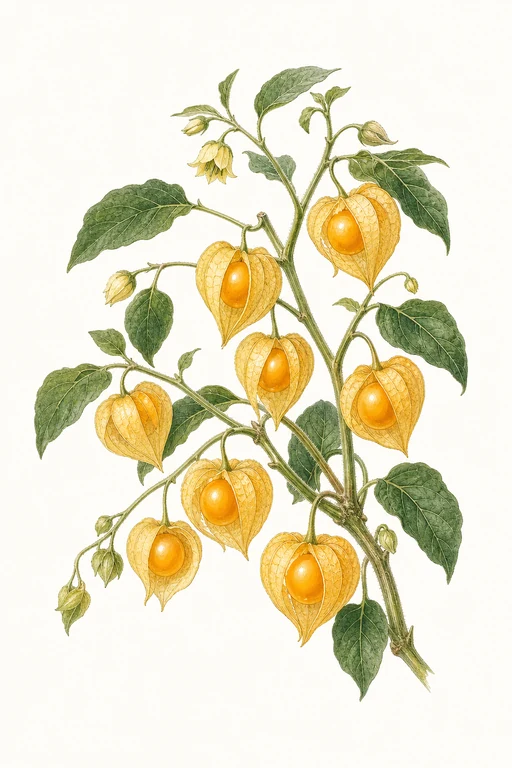
Aromatically sweet and softly tangy, Sweet Cape Gooseberry ripens into golden fruit cradled by papery lantern husks—like edible light catching the sun.
The berries are juicy with a tender, gelled bite and a bright, honeyed finish that makes them irresistible straight from the plant. Grow Sweet Cape Gooseberry for showy, long-season harvests and for vibrant use in preserves, sauces, and pickling, where their lively flavor truly shines.
Light: Full SunMaturity: 90 DaysHabit: Bush
Planting schedules and alerts are optimized for Columbus (Zone 6b).
Crop Dates
| Milestone | Date |
|---|---|
| Start Indoors | Mar 14th |
| Last Frost | Apr 25th |
| Transplant / Sow Outdoors | Jun 20th |
| Harvest Begins | Sep 18th |
| Harvest Ends | Oct 16th |
Crop Details
| Trait | Value |
|---|---|
| Days to Maturity | 90 |
| Sun Requirements | Full Sun |
| Growth Habit | Bush |
| Support Needed | Stake |
| Planting Depth | Normal |
| Germination Temp (°F) | 75 |
| Min Soil Temp (°F) | 60 |
| Min Night Temp (°F) | 50 |
| Harden Off (days) | 10 |
Culinary Notes

Chef's Note
Sweet Cape gooseberry has that rare fruit chemistry where it tastes bright and honeyed but still gives you a tender, gelled bite instead of going weepy. Use it with fats and aromatics that cling—vanilla, dairy, chocolate—then lean on lime or cinnamon to keep the flavor from rounding off.

Best Uses
- eat straight as a chilled snack to highlight the gelled juiciness
- cook into a quick preserve or jam where the natural pectin sets cleanly
- stir into yogurt or panna cotta for tangy contrast without turning watery
- quick pickling or brining for sweet-tart garnish on rich meats and sharp cheeses

Flavor Profile

Frequently Asked Questions
What pest or disease most often affects Physalis philadelphica (sweet Cape gooseberry), and how can I manage it?
How often should I water sweet Cape gooseberry during the main growing phase?
How do I tell when sweet Cape gooseberry is ready to harvest?
Sowing Tips

Transplant Conditions
Wait until soil reaches 60°F and nights stay above 50°F before moving outdoors. Harden off for 10 days first.
Expert Note

Start indoors early and transplant only after nights are reliably warm (50°F+), since Cape gooseberry grows slowly at first but rewards warmth with heavier fruiting.