
Sweet G90
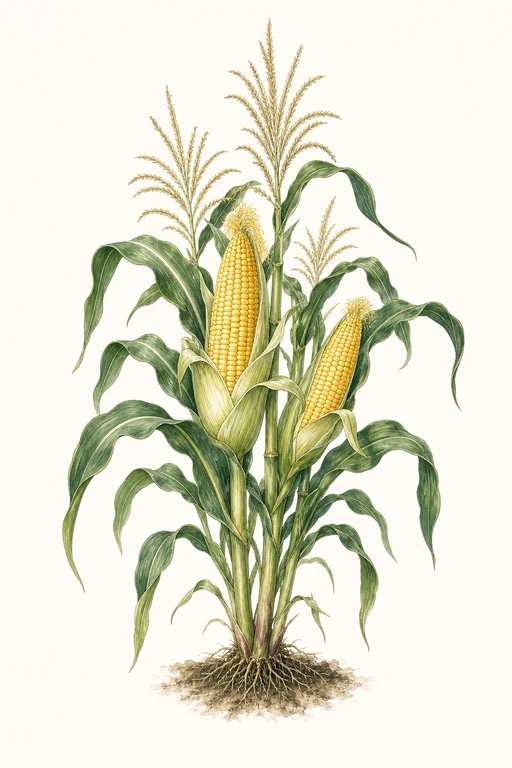
Sun-warmed kernels burst with a honeyed sweetness in Sweet G90, their color a vivid golden glow that feels almost luminous in the garden.
At maturity, the ears carry a tender, creamy bite with a fine, juicy texture—ideal for enjoying at peak freshness. Grow Sweet G90 for straight-from-the-field flavor and beautifully uniform ears that make every harvest feel like a small celebration.
Light: Full SunMaturity: 70 DaysHabit: Upright
Planting schedules and alerts are optimized for Columbus (Zone 6b).
Crop Dates
| Milestone | Date |
|---|---|
| Start Indoors | Direct Sow |
| Last Frost | Apr 25th |
| Transplant / Sow Outdoors | Apr 25th |
| Harvest Begins | Jul 4th |
| Harvest Ends | Oct 16th |
Crop Details
| Trait | Value |
|---|---|
| Days to Maturity | 70 |
| Sun Requirements | Full Sun |
| Growth Habit | Upright |
| Support Needed | None |
| Planting Depth | Normal |
| Germination Temp (°F) | 60 |
| Min Soil Temp (°F) | 60 |
| Min Night Temp (°F) | 28 |
| Harden Off (days) | Not Required |
Culinary Notes

Chef's Note
Sweet G90 is a peak-sweet variety where the kernel stays creamy without turning starchy, so the best move is short heat—grill or blanch—then finish while the sweetness is still humming. It holds its juicy snap even when mixed into warm, savory things like bacon-forward succotash.

Best Uses
- shucked and grilled for charred sweetness at the kernel tips
- quick-blanched and slathered with compound butter while hot
- shaved or cut from the cob for sweet corn succotash with bacon and peppers
- corn kernels folded into fritter batter for a crisp-edged, creamy-center texture

Flavor Profile

Frequently Asked Questions
What disease or pest is most likely on Zea mays var. saccharata (sweet corn), and how should I manage it?
How often should I water sweet corn during its main growing phase (tassel to milk stage)?
How can I tell when Zea mays var. saccharata is ready to harvest?
Sowing Tips

Transplant Conditions
Wait until soil reaches 60°F and nights stay above 28°F before moving outdoors.
Expert Note

For sh2 supersweet corn (like Sweet G90), use strict isolation (and/or staggered planting) to prevent sugary degradation and thin stands evenly for best ear filling.