
Sweetness
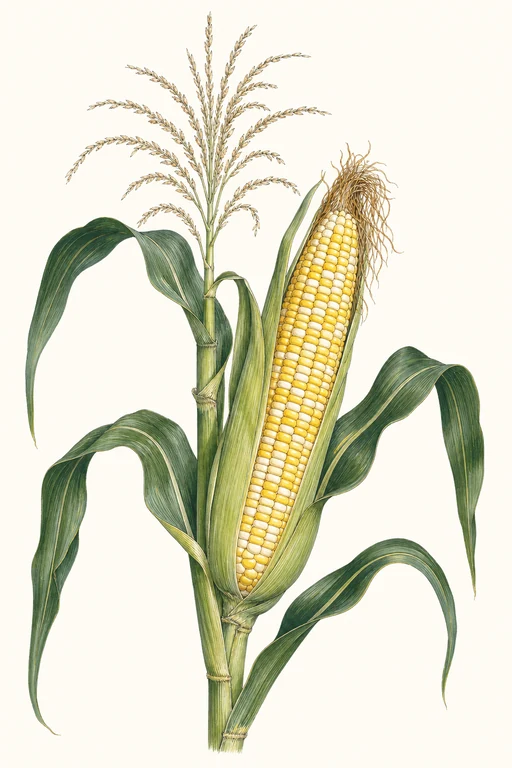
Silky, milk-sweet kernels burst with a honeyed tenderness that feels almost luminous against the tongue—an irresistible bicolor treat.
“Sweetness” produces well-filled ears with a crisp, juicy bite and a balanced sweetness that shines at peak harvest. Grow it for fresh enjoyment, and for spoonable, creamy-style corn dishes, where its naturally sweet character stays bright and fragrant.
Light: Full SunMaturity: 75 DaysHabit: Upright
Planting schedules and alerts are optimized for Columbus (Zone 6b).
Crop Dates
| Milestone | Date |
|---|---|
| Start Indoors | Direct Sow |
| Last Frost | Apr 25th |
| Transplant / Sow Outdoors | Apr 25th |
| Harvest Begins | Jul 9th |
| Harvest Ends | Oct 16th |
Crop Details
| Trait | Value |
|---|---|
| Days to Maturity | 75 |
| Sun Requirements | Full Sun |
| Growth Habit | Upright |
| Support Needed | None |
| Planting Depth | Normal |
| Germination Temp (°F) | 60 |
| Min Soil Temp (°F) | 60 |
| Min Night Temp (°F) | 28 |
| Harden Off (days) | Not Required |
Culinary Notes

Chef's Note
Built for the window when the sugars are still sky-high—cook it fast or serve it hot off the grill so the kernels keep their crisp, milk-sweet burst. The bicolor balance makes it especially good for spoonable, creamy preparations where the sweetness stays bright instead of turning starchy.

Best Uses
- shaved corn salads dressed with lime and salt
- hot-and-buttered corn on the cob (serve immediately for peak snap)
- creamy corn spoon dishes like corn pudding or chowder
- quick char on a ripping-hot skillet/grill, then dressed with acid

Flavor Profile

Frequently Asked Questions
What’s the most common sweet corn pest or disease problem, and how do I control it at home?
How often should I water sweet corn during the main growing phase?
How can I tell when sweet corn is ready to harvest (Ze a mays var. saccharata)?
Sowing Tips

Transplant Conditions
Wait until soil reaches 60°F and nights stay above 28°F before moving outdoors.
Expert Note

For best ear fill, sow in blocks (not single rows) and keep soil evenly moist from tassel through milk stage.