
Tahitian Melon
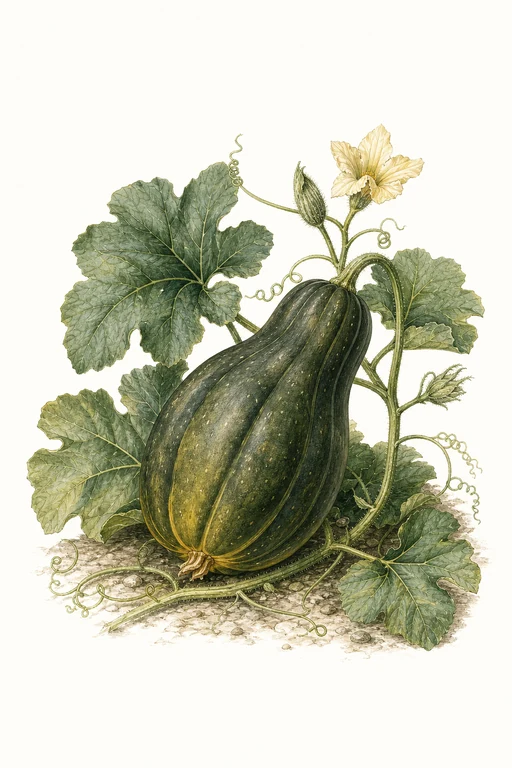
Fragrant and honeyed from the first slice, Tahitian Melon brings a velvety, spoon-smooth flesh with a warm, butterscotch-sweet flavor that lingers like sun on skin.
The fruit’s deep, buttery interior develops beautifully over its long 85-day season, rewarding patient gardeners with a rich texture ideal for roasting until caramel-kissed, pureeing into silky sauces, and transforming into luscious, spoonable preserves. Grow it for its elegant, heirloom-style presence and its unmistakably luxurious, mellow sweetness at harvest.
Light: Full SunMaturity: 85 DaysHabit: Vine
Planting schedules and alerts are optimized for Columbus (Zone 6b).
Crop Dates
| Milestone | Date |
|---|---|
| Start Indoors | Apr 18th |
| Last Frost | Apr 25th |
| Transplant / Sow Outdoors | May 2nd |
| Harvest Begins | Jul 26th |
| Harvest Ends | Oct 16th |
Crop Details
| Trait | Value |
|---|---|
| Days to Maturity | 85 |
| Sun Requirements | Full Sun |
| Growth Habit | Vine |
| Support Needed | Trellis |
| Planting Depth | Normal |
| Germination Temp (°F) | 70 |
| Min Soil Temp (°F) | 65 |
| Min Night Temp (°F) | 55 |
| Harden Off (days) | 10 |
Culinary Notes

Chef's Note
Tahitian Melon eats like a dessert squash—velvety, spoonable, and naturally sweet without needing much sugar. Roast it hard enough to turn the edges caramel-kissed, then puree smooth; it plays nicest with brown butter, citrus snap, and warm spices like ginger or black pepper.

Best Uses
- roasting until caramel-kissed for silky mash
- pureeing into smooth soups or curry base
- butter-and-sage style sides (tender cubes that glaze)
- spoonable preserves or compote with a touch of citrus

Flavor Profile

Kitchen Pairings
Frequently Asked Questions
What pest or disease most commonly affects Cucurbita moschata (Tahitian Melon), and what should I do?
How often should I water Tahitian Melon during the main growing phase?
How can I tell when Tahitian Melon (Cucurbita moschata) is ready to harvest?
Sowing Tips

Transplant Conditions
Wait until soil reaches 65°F and nights stay above 55°F before moving outdoors. Harden off for 10 days first.

Direct Sow Preferred
Sensitive roots — does not transplant well. If starting indoors, use biodegradable pots and disturb roots as little as possible when moving outdoors.
Expert Note

Start seed only if you can transplant into consistently warm soil; for Cucurbits, root disturbance is the biggest risk, so plant in biodegradable pots or direct-sow when soil is hot.