
Takane
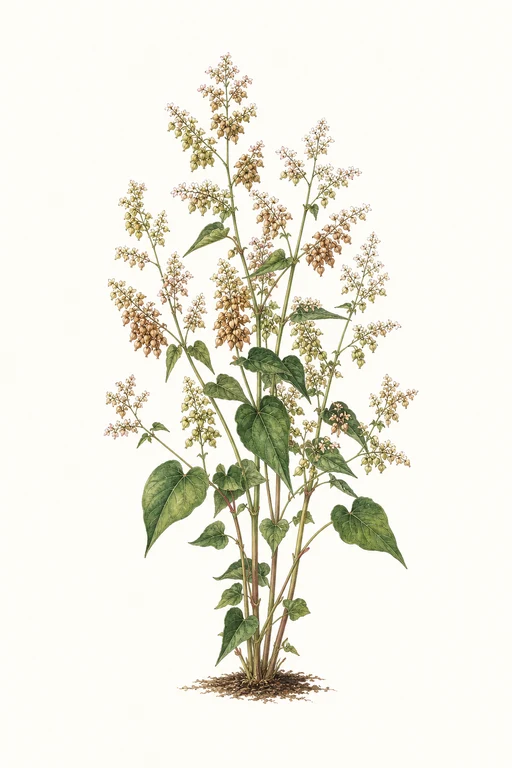
Fragrant and honeyed in the field, Takane buckwheat forms a quick, upright tapestry of blossoms that promise a rich, nutty depth in every harvest.
The grain develops with a clean, earthy flavor and a pleasantly firm, slightly chewy texture—ideal for hearty, rustic preparations where its character can shine. Sow for a fast 35-day turnaround and enjoy the satisfying, wholesome results of a variety bred for dependable, common buckwheat performance.
Light: Full SunMaturity: 35 DaysHabit: Upright
Planting schedules and alerts are optimized for Columbus (Zone 6b).
Crop Dates
| Milestone | Date |
|---|---|
| Start Indoors | Direct Sow |
| Last Frost | Apr 25th |
| Transplant / Sow Outdoors | Apr 25th |
| Harvest Begins | May 30th |
| Harvest Ends | Oct 16th |
Crop Details
| Trait | Value |
|---|---|
| Days to Maturity | 35 |
| Sun Requirements | Full Sun |
| Growth Habit | Upright |
| Support Needed | None |
| Planting Depth | Normal |
| Germination Temp (°F) | 55 |
| Min Soil Temp (°F) | 55 |
| Min Night Temp (°F) | 40 |
| Harden Off (days) | Not Required |
Culinary Notes

Chef's Note
Takane buckwheat earns its keep by staying pleasantly toothsome instead of going soft—toast the groats and it brings a distinctly nutty, honeyed aroma right up front. It’s built for rustic bowls and hearty sides where you want texture you can feel, not a starchy mash.

Best Uses
- dry-toasty buckwheat groats for a chewy hot salad with vinaigrette
- buckwheat pilaf where each grain stays separate
- kasha-style preparations—toast first, then simmer until tender-chewy
- cooler grain bowls with yogurt or crème fraîche to tame its nuttiness

Flavor Profile

Kitchen Pairings
Frequently Asked Questions
What pest or disease problem commonly affects Fagopyrum esculentum (buckwheat), and how can I control it at home?
How often should I water Fagopyrum esculentum during its main growing phase, and what soil moisture level is ideal?
How do I tell when Fagopyrum esculentum is ready to harvest?
Sowing Tips

Transplant Conditions
Wait until soil reaches 55°F and nights stay above 40°F before moving outdoors.
Expert Note

Sow outdoors after frost once soils are workable, keep evenly moist until emergence, and avoid transplanting to prevent poor establishment.